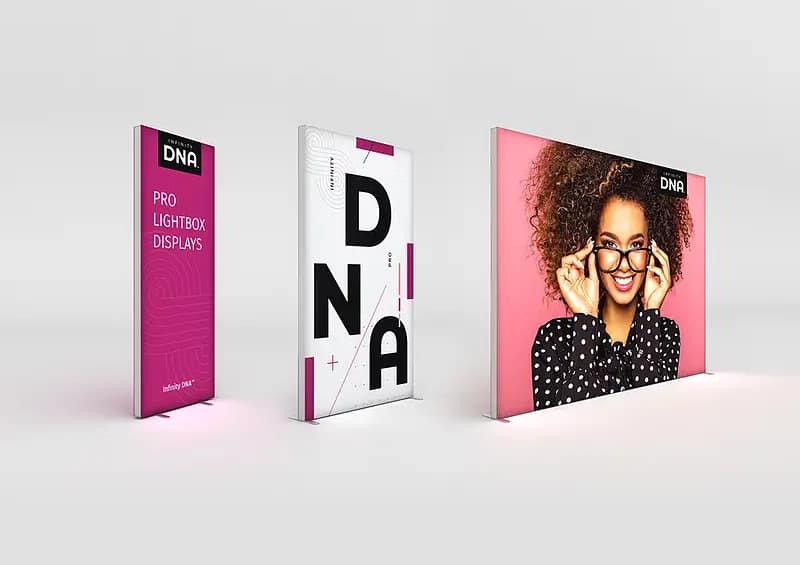
A Beginner’s Guide to Infinity DNA™ Pro Lightbox Features
As Australian organisations move beyond static lighting towards adaptive, data-led environments, control platforms are fast becoming strategic assets rather than afterthoughts in project delivery.
Why Infinity DNA™ Pro Lightbox Matters for Australian Projects
For Australian practices seeking to modernise lighting, Infinity DNA™ Pro Lightbox provides a pragmatic bridge between basic switching and full building automation. It enables consultancies, facility managers, and designers to model scenes, dimming, and colour temperature with the same intent they bring to spatial planning. Unlike generic LED lightbox displays or one-size-fits-all control kits, this platform is designed to scale from small fitouts to complex multi-level assets while remaining understandable to non-specialist users.
Core Features That Support Design Intent and Compliance
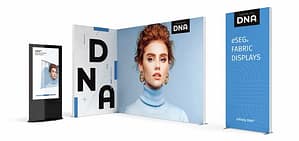
The system’s configurable scenes, smooth dimming curves, and tunable white capabilities help align visual comfort with NABERS, Green Star, and WELL ambitions. Teams can build scenes for focus work, collaboration, presentations, and after-hours modes, then refine them using real-world feedback rather than theoretical schedules. When paired with SEG fabric backlit graphics and other architectural elements, thoughtful lighting control shifts the experience from simply “lit” to genuinely curated. This combination allows clients to protect aesthetic outcomes while tightening energy performance.
Automation, Data, and the Shift to Portfolio Thinking
Where the platform becomes truly strategic is in its automation, remote access, and data capture. Time-based scheduling, occupancy sensing, and daylight harvesting can be layered to reduce waste without undermining tenant satisfaction. For owners managing multiple sites, remote access turns lighting from a site-by-site issue into a portfolio lever, much like standardising portable display solutions or premium illuminated booth systems across national event programs. Event logs and energy trends help identify zones that are consistently over-lit, informing targeted retrofits instead of blunt, whole-building upgrades.
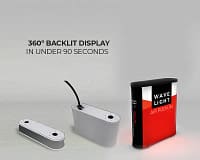
For teams used to custom exhibition stands, modular LED trade show displays, or reusable modular lightbox frames, the logic of staging, reconfiguration, and reuse applies equally to digital lighting. A contained pilot in a single tenancy allows stakeholders to test assumptions, quantify savings, and refine user experience before wider rollout. By starting with three or four robust scenes and simple automation, organisations can prove value quickly and then standardise templates, much as they would when rolling out portable illuminated booth solutions, lightweight aluminium display frames, or tool-free exhibition lightboxes across their marketing portfolio.