WaveLight Infinity SEG Lightboxes: Single-Sided vs Double-Sided
Understanding WaveLight Infinity SEG Lightboxes in Australia
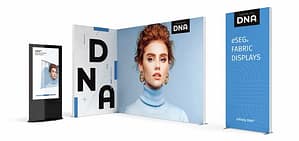
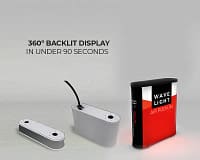
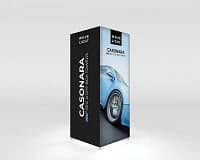
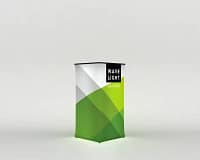
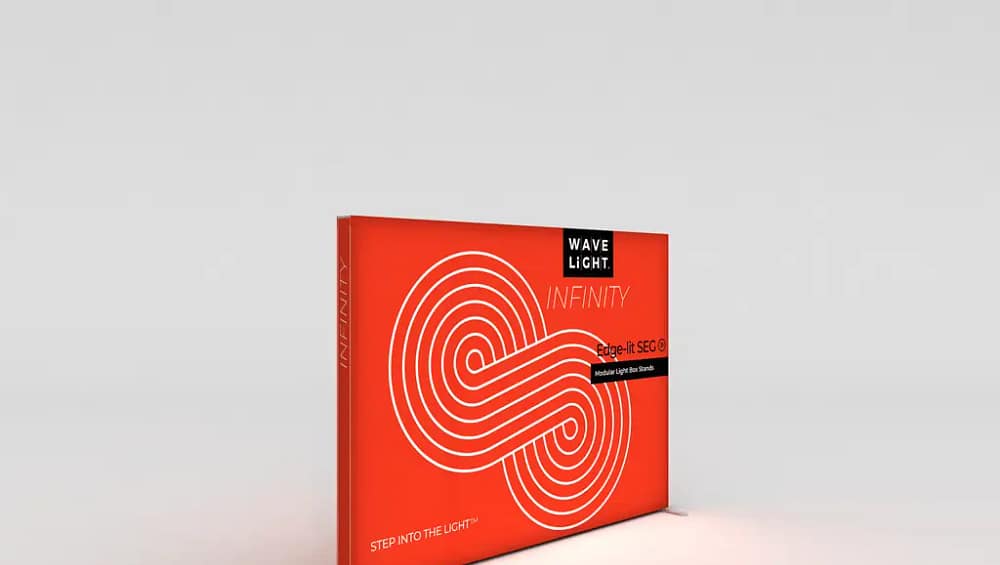
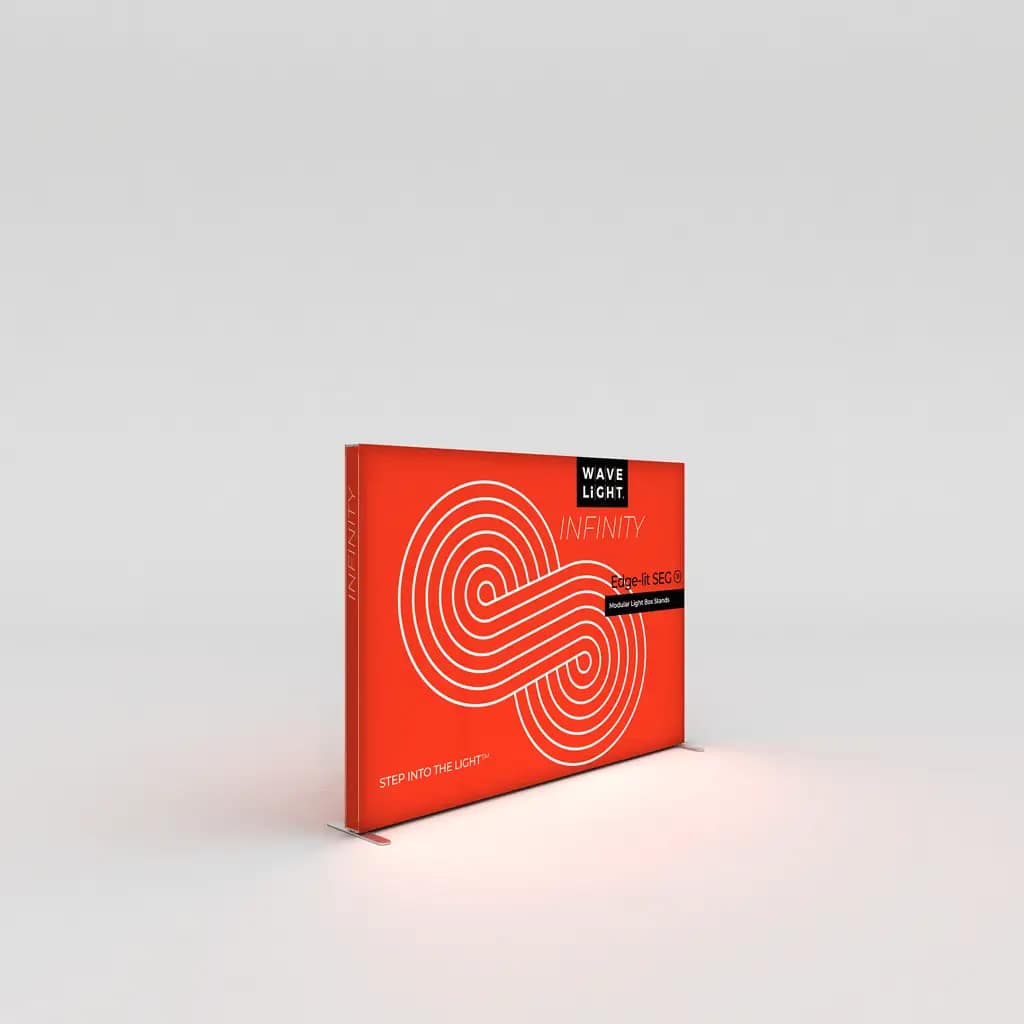
Across Australian exhibitions, retail precincts and corporate foyers, WaveLight Infinity SEG Lightboxes are reshaping how brands command attention. Within the first moments of viewing, a WaveLight® Infinity SEG Lightbox delivers bright, even illumination across premium illuminated SEG graphics, framed by a slim, almost invisible aluminium profile. These illuminated fabric displays rely on silicone edge graphics tensioned into the frame, creating a sleek, frameless aesthetic that works especially well for trade show backlit displays and reception branding. For marketers, the appeal lies in portable hardware, high-impact colour and the ability to refresh campaigns quickly by swapping fabrics. As venues become more visually competitive, these systems provide a flexible platform for backlit graphic signage that can be scaled from small plinths to large feature walls.
Single-Sided WaveLight Infinity SEG Lightbox Options
Single-sided configurations are the go-to choice when the lightbox will sit against a solid wall, shell scheme panel or neighbouring stand. Only the front face is printed, with the rear enclosed to control light spill and improve perceived brightness. This makes single-sided units cost-effective custom lightbox solutions, reducing both hardware and print requirements, while still delivering a crisp, slim-frame SEG lightbox design. They are particularly suited to shopping centre corridors where traffic flows in one direction, or conference booths backed onto perimeter walls. The key limitation is reduced reach: in open spaces, a single graphic surface may struggle to engage people approaching from side or rear angles.
Double-Sided WaveLight Infinity SEG Lightbox Solutions
Double-sided WaveLight Infinity SEG Lightboxes extend the same technology to two faces, turning the frame into double-sided illuminated signage that works from any viewing direction. LEDs are typically calibrated to distribute light evenly across both fabrics, preventing one side from appearing dimmer than the other. Australian brands use this format in island stands, retail atriums, airport concourses and wide mall walkways, where audiences arrive from multiple approaches. The higher initial outlay is balanced by 360-degree exposure and the ability to run different messages or languages on each side. For national campaigns, double-sided retail LED graphic lightboxes can pull double duty, promoting a hero brand one way and tactical offers the other.
How to Choose Between Single-Sided and Double-Sided Displays
The starting point is always your floor plan. If your stand or store fixture backs directly onto a wall, a single-sided lightbox avoids paying for unseen media and simplifies logistics. In island or peninsula stands, however, double-sided edge-lit fabric lightbox displays can intercept traffic in every aisle, justifying the extra print and freight costs. Consider campaign behaviour as well: fast-changing promotions mean two faces double your update budget, whereas long-term brand messaging makes a dual-sided frame more economical over time. Finally, weigh up on-site realities such as tool-free SEG lightbox assembly, crew skill levels and storage space when not in use.
- Match the lightbox format to your traffic flow and viewing angles, not just available wall space.
- Balance hardware savings against long-term media value and message flexibility across campaigns.
- Confirm LED brightness, colour temperature and diffusion to support photography-heavy artwork.
- Plan for future expansion using modular custom lightbox systems that can reconfigure between events.
- Work with suppliers who can prototype layouts and advise on compliance for illuminated installations.
Given the number of variables, many Australian marketers turn to local display specialists to pressure-test their options before committing budget. An experienced partner can compare single- versus double-sided configurations, simulate sightlines and specify appropriate sizes for different venues. They can also advise whether off-the-shelf frames or fully modular custom lightbox systems will give better flexibility over multiple events and stores. When assessing providers, ask about print warranties, LED lifespans, and how quickly they can replace or update graphics between campaigns. To make an informed choice, speak with an Australian exhibition or retail display expert and map out which WaveLight Infinity SEG Lightboxes will best support your next activation, then request a tailored proposal comparing formats, costs and rollout timelines.