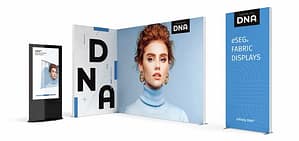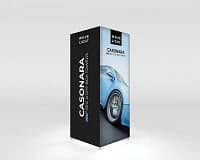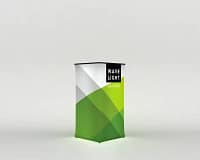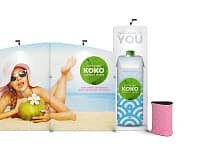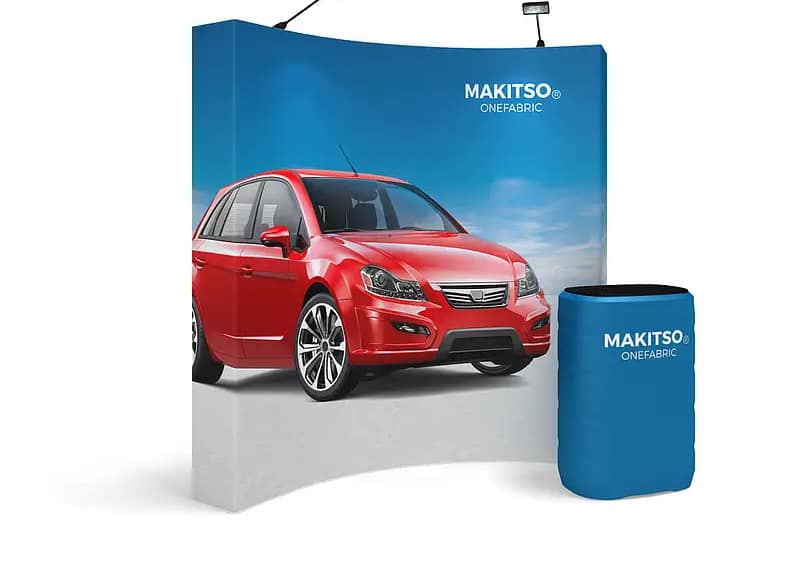
Comparing OneFabric® Pop-Up Banners: Straight vs. Curved Options is a critical decision for Australian exhibitors looking to maximise impact at expos, conferences and retail activations. Both shapes are engineered as portable advertising solutions, but each suits different floor plans, crowd flows and brand stories. Before you invest, it pays to understand how shape, footprint and logistics affect real-world performance and lead generation at busy venues.
1. Straight vs Curved: Which Shape Suits Your Stand?
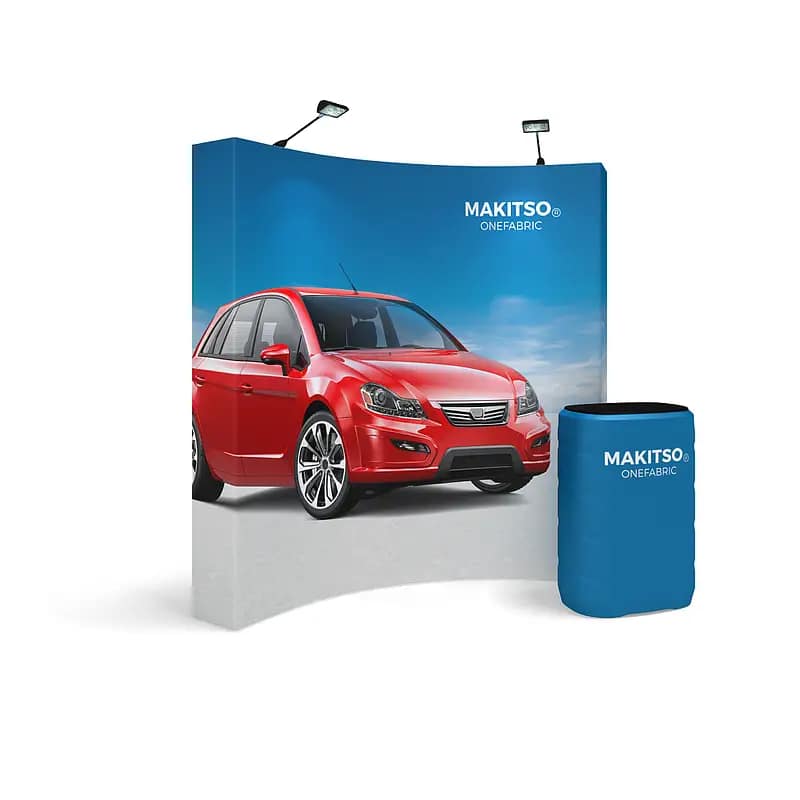
Straight frames behave like portable trade show backdrops, sitting neatly against shell-scheme walls or the rear of a tight 3 x 3 stand. Curved options, by contrast, wrap gently into the space, ideal for island sites or demo zones where you want to create a “stage” feel. If you’re exhibiting in Sydney, Melbourne or Brisbane, start by sketching your stand boundaries, key touchpoints and traffic routes before locking in your banner geometry.
2. Visual Impact and Brand Storytelling
Straight profiles work best when you need high impact booth graphics for photos, media walls or bold product launches. Curved frames introduce subtle depth, helping lifestyle, tourism and premium FMCG brands tell a more immersive story. When you have only seconds to stop passers-by, planning artwork around the shape of your display is crucial, especially for campaigns using custom fabric displays and layered messaging.
3. Footprint, Flow and Compliance on Site
Most major Australian venues enforce strict aisle clearances, height limits and emergency access rules. Straight walls are inherently space-efficient, freeing up room for counters, sampling or demo gear without breaching regulations. Curved units project further into the stand, but can subtly guide visitors towards hero products or sign-up points. Consider how your OneFabric Pop-Up Banners will interact with neighbouring stands and organiser compliance checks.
4. Portability, Setup and Event Logistics
Both shapes use lightweight trade show displays built from aluminium frames and tension fabric skins that can be assembled in minutes. For teams flying between states, collapsible event display stands and compact pop up display systems reduce freight costs and setup stress. Think about who will build the stand, how often graphics will change, and whether you need reusable fabric banner stands for multi-show touring schedules.
5. When to Ask an Expert for Layout Advice
The hardest calls often involve mixing shapes—such as a straight back wall with curved returns—to create tension fabric exhibition walls that feel like a branded room. Done well, this combination turns simple event marketing tools into travel-friendly marketing displays that work across expo halls, shopping centres and roadshows. If you’re unsure, share your floor plan and objectives with a specialist who understands portable trade show backdrops and Australian venue rules.
- You exhibit regularly at capital-city trade shows and need consistent branding.
- Your marketing team wants collapsible hardware that fits in a standard car boot.
- You plan to re-skin graphics for different campaigns or product launches.
- You require tension fabric exhibition walls that comply with venue guidelines.
- You want a stand layout that naturally channels visitors towards sales staff.
Ready to choose the right configuration for your next Australian event? Book a stand planning consultation today to map out shape, artwork and logistics, and get tailored advice on straight versus curved OneFabric® solutions that turn casual foot traffic into qualified leads.