Types of Hanging Banners Every Exhibitor Should Know
Introduction
Hanging banners lift your brand above the crowd and improve visibility across large trade show floors, and therefore they are essential for exhibitors who want to be found quickly. In addition, these overhead graphics free up valuable floor space so you can create open areas for demonstrations and meetings. Below, you will find a practical, product-focused guide that helps you choose the right hanging banner type for your exhibit goals.
General information about the category
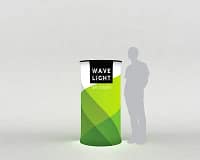
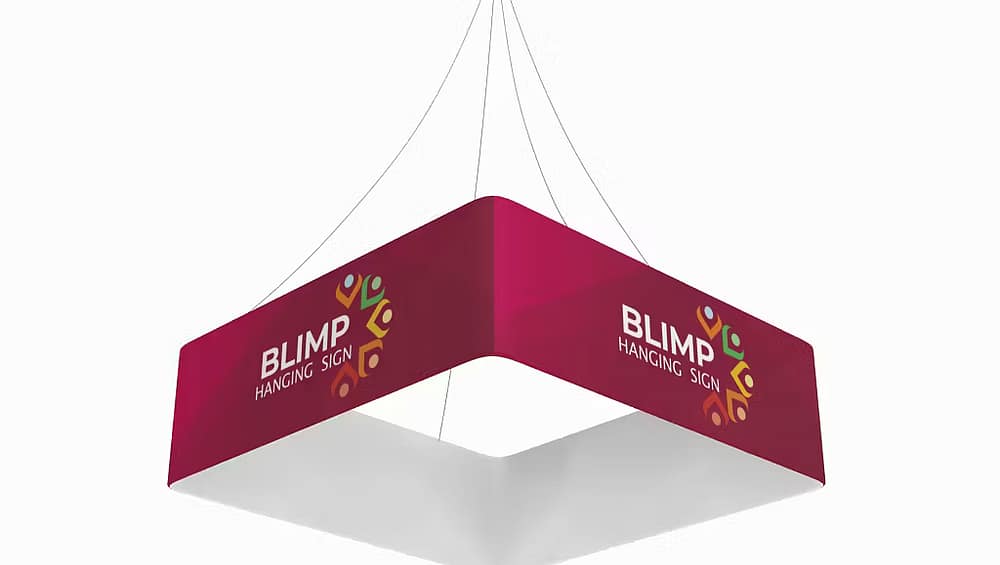
Hanging banners include a variety of shapes and sizes, and each shape serves a different visibility purpose. For example, round drums and square boxes read well from multiple directions, whereas long rectangular banners draw attention down an aisle. Consequently, understanding the strengths of each form will help you design a booth that stands out while remaining functional.
Product Families and Core Components
Most hanging banner kits combine lightweight aluminum tubing with a custom-printed fabric sleeve. Specifically, the system usually has numbered tubes for fast assembly, and a zippered, tensioned fabric cover printed using dye-sublimation for vivid, long-lasting color. As a result, installation is faster and the finished banner looks professional under show lighting.
Core components
Components typically include rated hanging points, joiner fittings, and reinforced top panels for rigging. In addition, manufacturers often supply a travel case to protect the printed sleeve and hardware during transport. Therefore, when comparing products, check each kit for hardware quality and completeness.
Design Features and Material Quality
Choose a matte fabric finish to reduce glare and maintain accurate color reproduction in photos. Moreover, verify tube wall thickness and joint integrity because these factors affect durability and safety. For compliance, ask suppliers for fire-retardant certification, and then confirm venue rigging policies early to avoid last-minute changes.
Specifications and Selection Criteria
When shortlisting hanging banners, consider size, weight, and rated load capacity. Additionally, standardize sleeve dimensions across your fleet so local teams can translate copy without redesign. For long-term value, prioritize modular systems that accept multiple sleeve shapes and graphics, and therefore adapt easily to different shows.
Use Cases and Creative Applications
For island booths, use round or square drums to attract attention from all sides. Conversely, for inline booths, a long rectangular banner helps create directional flow down the aisle. Furthermore, you can combine multiple hanging banners at different heights to create layers of messaging, and in doing so craft a striking architectural presence that strengthens brand recall.
Portability and Setup Process
Setup typically requires two people and only basic rigging tools, and most kits include numbered pieces for faster assembly. Also, carry cases and lightweight aluminum construction make transport easier, therefore reducing shipping costs. Keep a rigging checklist with spare carabiners, cables, and zip ties so you are prepared for last-minute fixes on site.
Product Category Advantages in a Trade Show Setting
Hanging banners maximize overhead space, improve sightlines, and support cleaner booth layouts for guest engagement. As a result, they offer a high-impact branding solution that is both flexible and reusable. When planned correctly, hanging banners deliver consistent visibility across multiple events and seasons.
Next step: Explore our full range of Hanging Banners.
Conclusion
To summarize, hanging banners are versatile tools for exhibitors who need elevated visibility and flexible design options. By focusing on material quality, rigging specifications, and the right banner family for your booth type, you will create a memorable presence while maintaining operational efficiency. Therefore, review the options, confirm venue requirements, and choose a modular system that grows with your event program.