The Core Purpose of Hanging Banners in Modern Exhibits
Hanging banners lift your brand above the crowd, and therefore they become a primary tool for long-distance recognition at events. In addition, they free up floor space so staff can run demonstrations and host meetings without friction. This guide explains the hanging banner category, highlights real-world uses, and describes how combining products delivers maximum impact at shows, retail events, and hospitality spaces.
General information about hanging banners
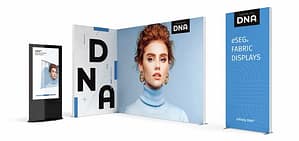
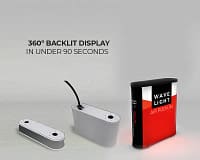
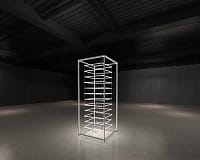
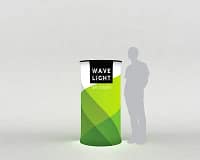
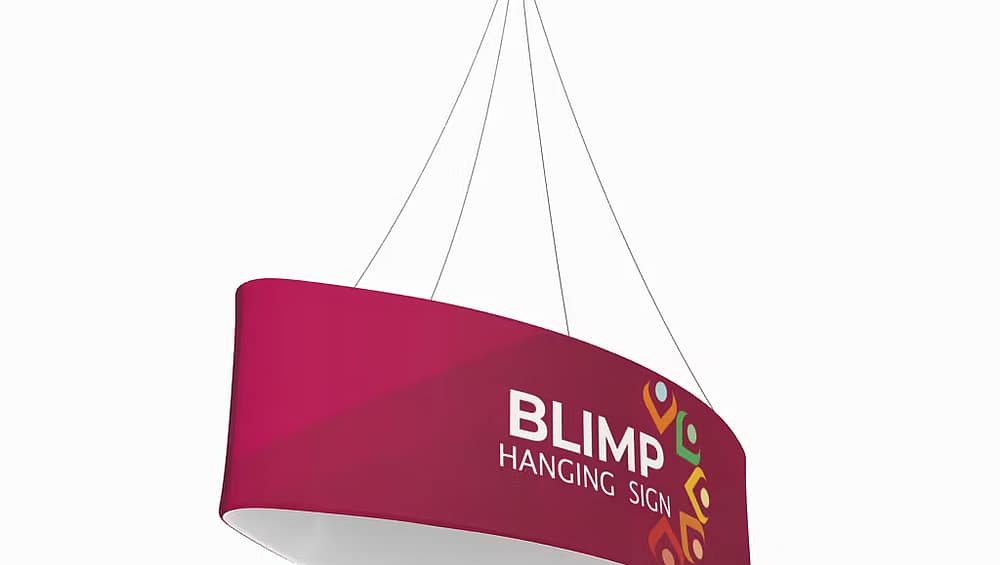
Hanging banners are overhead signage systems designed to be visible from afar, and they serve to identify booths, mark zones, and reinforce brand messaging. Moreover, they are built to occupy vertical space rather than the footprint, which helps maintain open sightlines and improves traffic flow. As a category, hanging banners include single-sided and double-sided options, fabric and vinyl materials, and modular frames that accept replaceable sleeves for creative updates.
Material quality and specifications
Quality starts with material choice, and therefore event-grade fabrics with printed dye-sublimation offer vivid color and reduced glare. In contrast, vinyl materials deliver excellent durability for repeated use. For safety and compliance, many systems come with fire-retardant certification and reinforced hemming. Likewise, attention to bleed, safe margins, and accurate scale during artwork export ensures crisp results when viewed from a distance.
Use cases in trade shows and exhibits
At trade shows, hanging banners promote long-range brand recognition so attendees locate your stand faster. Consequently, they reduce the time staff spend giving directions, and they concentrate qualified visitors earlier in the day. In addition, use zone labeling with coordinated banners to separate product families, demo areas, and hospitality lounges. Therefore banners become both a directional tool and a brand amplifier simultaneously.
Use cases in retail, hospitality, and events
In retail pop-ups and hospitality settings, hanging banners create immersive environments without blocking floor plans. For example, pairing a central hanging banner with lower retail signage guides customers through product zones, while banners above hospitality tables increase visibility for sponsors and partners. Furthermore, temporary events benefit from quick-install systems that minimize downtime and provide consistent messaging across multiple venues.
Creative uses with multiple products
Combine hanging banners with floor graphics, backwalls, and suspended signage to build a layered wayfinding system. As a result, attendees follow a visual path from entry to demonstration, and brand recall increases through repeated exposure. Additionally, standardized frames let you swap printed sleeves to adapt messaging by market or language, which lowers cost and speeds campaign rollouts across a calendar of events.
Installation, portability, and maintenance
Choose systems designed for simple rigging and lightweight transport, and you will reduce labor costs and setup time. Many hanging banner kits include soft cases and labeled components, so teams can deploy them consistently. Moreover, regular maintenance such as checking rigging points and storing printed sleeves flat prolongs life and keeps graphics vibrant. Keep fire-retardant documentation accessible for venue inspections, and coordinate with rigging crews to confirm load limits.
Next step: Explore our full range of Hanging Banners.
Conclusion: why the category matters
Hanging banners deliver a high return on visibility because they combine long-distance branding, flexible creative options, and minimal impact on floor plans. Consequently, they are an essential element of modern exhibit design and multi-event programs. By selecting the right materials, planning zone signage, and using coordinated products, you can attract qualified visitors faster, improve wayfinding, and maintain consistent brand presence across shows and venues.