How to Integrate Hanging Banners into Your Trade Show Booth Design
Hanging banners lift brand visibility above crowded aisles, and therefore they are one of the most effective tools for attracting attention at trade shows. In this guide you will find practical, product-focused advice on selecting the right hanging banners, combining multiple items from the category, and installing them so they deliver consistent results. Furthermore, the information below helps event teams plan around venue rules and coordinate with AV and lighting for the best visual impact.
General information
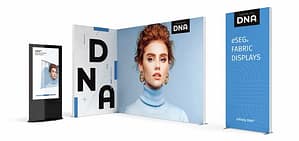
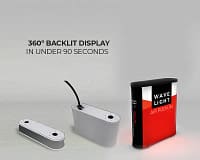
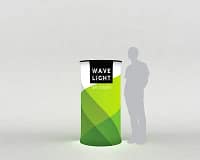
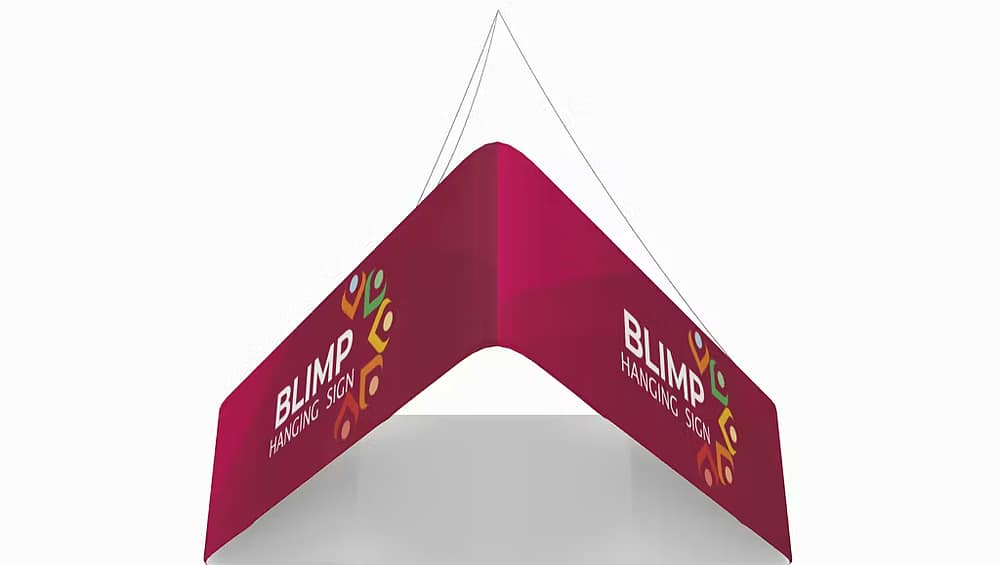
Hanging banners make use of overhead space so booths can remain open and engaging, while still standing out from a distance. They are available in a variety of formats including single-sided and double-sided prints, backlit models, and shaped banners like circles and diamonds. In addition, many banners come with modular hardware kits so you can reuse components at multiple shows. For a quick look at available product families and sizes, Explore our full range of Hanging Banners.
Product category advantages for trade shows
First, hanging banners increase sightlines and help attendees locate your booth from far across the hall. Second, because they free up floor space they support more meeting areas and demo stations. Third, certain hanging banner types such as backlit fabric maintain strong color presence even in mixed lighting, and as a result they drive higher brand recall. Consequently, investing in a small set of interchangeable banners can yield benefits across multiple shows.
Use cases and creative combinations
Use hanging banners as primary location markers above island booths, next to entry points, and over demo areas where you want foot traffic to gather. Moreover, combine circular hanging banners with vertical pull-up banners and a front counter to create layered branding that reads well on camera and in photographs. For wayfinding, use simple, high-contrast messages and position banners along main approach paths. In addition, pairing backlit hanging banners with stage lighting produces a consistent look on both day and evening sessions.
Design features and material quality
Choose fabrics that are flame retardant and colorfast, and then confirm the print method supports large-format resolution for legible graphics at distance. Also, consider edge-finishing and internal frames when selecting a shape, because those components affect tension, silhouette accuracy, and wind resistance in open halls. Furthermore, hardware such as aluminum frames and reinforced hems extend product life while keeping weight manageable for rigging.
Specifications and components
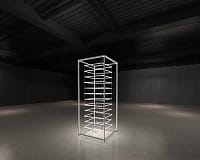
Typical sizes range from compact 1.5 meter circles to large 6 meter x 2.5 meter rectangles. Meanwhile, components include suspension cables, safety lanyards, carabiners, and ceiling plates that attach to trusses. Additionally, backlit variants include LED frames and diffusion fabric. Be sure to confirm maximum allowable heights and load limits with the venue in advance, and then prepare a rigging checklist with spare cables and connectors for on-site adjustments.
Integration with AV and lighting
Coordinate with AV and lighting teams so that fixtures do not wash out printed colors or create hotspots. For instance, centralize soft backlighting behind fabric banners to preserve saturation, and consequently avoid placing hard spotlights directly on the printed surface. Furthermore, when using projection or LED screens nearby, adjust contrast and font sizes so the hanging banner remains legible from the primary approach vectors.
Heights, angles, setup, and portability
Hang banners as high as regulations allow while maintaining clearance from sprinklers and lights. Also, angle or rotate shaped banners toward main traffic to optimize visibility. From a logistics perspective, select banners that pack into protective cases and that use modular hardware for fast assembly. Finally, practice the setup process once and record a step-by-step checklist so teams can repeat the same reliable install at future events.
Conclusion: When you focus on the product choices within the hanging banner category, you gain more control over brand visibility, booth flow, and setup efficiency. Therefore, plan banner types and sizes around venue rules, coordinate with AV and lighting, and measure outcomes by tracking approach paths and meeting counts. As a result, your next show will be easier to rig, more visible from the aisle, and more effective at converting passersby into prospects.