Eye-Catching from Above: Using Hanging Banners to Draw Visitors
General information
Hanging banners are a powerful category of exhibition displays designed to raise brand visibility above the floor. They occupy overhead space, so you can keep aisles open and create welcoming demo or meeting areas below. Because they float above the crowd, they help attendees locate your stand from a distance, and therefore improve natural traffic flow to your space.
For those evaluating options, consider size, shape, attachment method, and finish. In addition, you can compare single-sided and double-sided prints, and choose between fabric or vinyl depending on your lighting and transport needs. Finally, for a direct look at available models and sizes, explore product collections that match your venue and budget: Explore our full range of Hanging Banners.
Product category advantages in exhibition settings
Hanging banners deliver clear advantages at shows. First, they extend brand reach without using valuable floor footprint. Second, they provide directional cues so visitors can spot you from main aisles. Moreover, they act as visual anchors for your entire presence, which helps guide attendees back to your stand after sessions or meals. Therefore, they are a high-impact way to increase impressions per square meter.
Specifications to consider
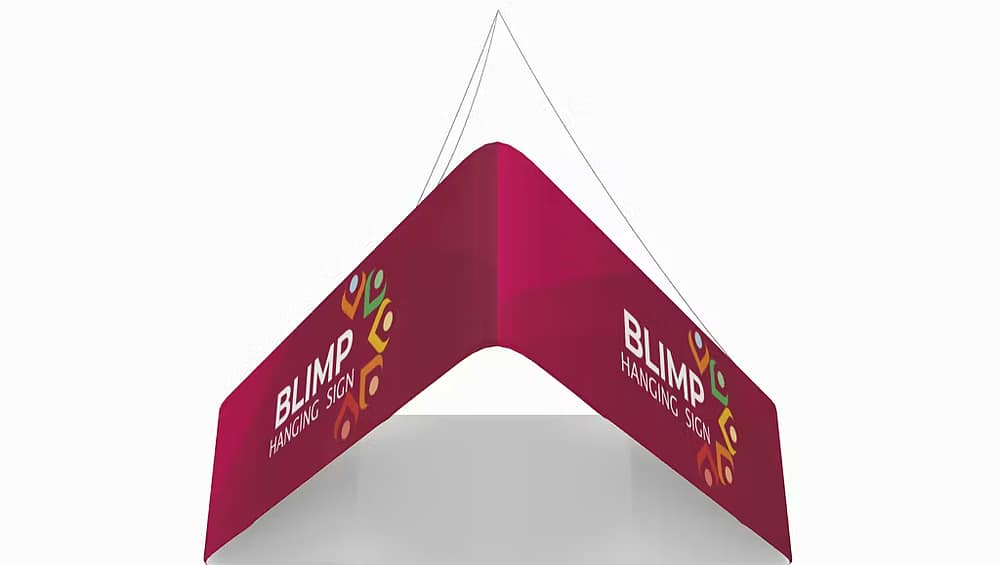
Size and shape matter more than you might expect. Rectangular, circular, and custom-cut options are all common, and each supports different sightlines. Additionally, rigging weight limits and venue height restrictions determine the maximum banner dimensions, so measure approach paths before you design. Also check for fire-retardant certification, print DPI, and hem or pole pocket details to ensure a safe and crisp presentation.
Design features that boost visibility
Use bold typography, short messages, and strong contrast so your banner reads quickly from a distance. Also, position logos and key visuals at the top of the banner, because they remain visible even when people gather below. If your booth sits near stage lighting, coordinate colors and finishes with AV crews to avoid hotspots and color shifts. Furthermore, internal illumination or translucent materials can maintain presence in mixed lighting conditions.
Material quality and components
Fabric banners tend to pack lighter and resist sheen, while coated vinyl offers outstanding color saturation and outdoor durability. In addition, robust hems, reinforced corners, and integrated hanging points increase lifespan and simplify installation. Keep a rigging checklist that includes spare carabiners, safety cables, and zip ties so you are ready for last minute adjustments and inspections.
Portability and setup process
Most hanging banners fold or roll for compact transport, and they pair well with travel cases that protect print surfaces. When setting up, rig as high as venue regulations allow and maintain clearance from lighting and sprinkler systems. Also, angle or rotate shaped banners toward main traffic sources for maximum exposure, and always have fire-retardant certificates on hand for quick inspection sign-off.
Use cases and creative combinations
Use a single large banner to mark a central location at a busy trade show, or deploy multiple smaller banners to create sightlines from different directions. Additionally, combine hanging banners with floor graphics and tower displays to build a layered brand environment. For experiential booths, hang directional signs to guide visitors through demo zones, and then add illuminated banners to highlight sponsor areas, which increases both wayfinding and perceived quality.
KPIs, testing, and maintenance
Measure effectiveness through approach paths, meeting counts, and badge scans to quantify how hanging banners influence traffic. After each event, inspect for seam wear and fading, and then iterate design and placement based on data gathered. By testing different heights and rotations, you can refine visibility, and therefore improve ROI at subsequent shows.
Conclusion
Hanging banners are versatile, lightweight, and highly visible tools for exhibitors who want to maximize presence without crowding the floor. By choosing the right specifications, coordinating with AV and lighting, and following a simple rigging routine, you can increase brand reach and make it easier for prospects to find you. Finally, plan measurement and iteration so each show performs better than the last.