Assembly Guide: Putting Together Fabric Banners Step by Step
General Information
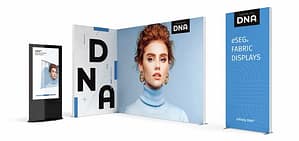
Fabric banners are a flexible category of display products designed for clear visual communication. They combine print clarity with a soft finish, and therefore they work well across trade shows, pop-up shops, and retail displays. For buyers, fabric banners offer a balance of affordability and premium appearance, and as a result they are often the first choice for brand activations and seasonal promotions.
Specifications and Material Quality
When evaluating fabric banners, consider material weight, print resolution, and edge finishes. Typically, high-quality polyester knit delivers vivid color and wrinkle resistance, while a tighter weave provides sharper graphics. Furthermore, dye-sublimation printing infuses ink into the fibers, so colors remain vibrant after repeated use. Consequently, these specifications translate into longer-lasting, more professional displays.
Portability and Components
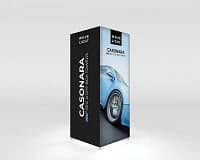
Fabric banners are built for portability, and they usually include several simple components that make transport easy. Most kits consist of the printed fabric, a lightweight frame or pole system, a carry bag, and optional bases for stability. In addition, many models have magnetic or pole-sleeve attachments, which simplify alignment during setup. As a result, teams can move between venues without extra logistic burden.
Use Cases: Events and Trade Shows
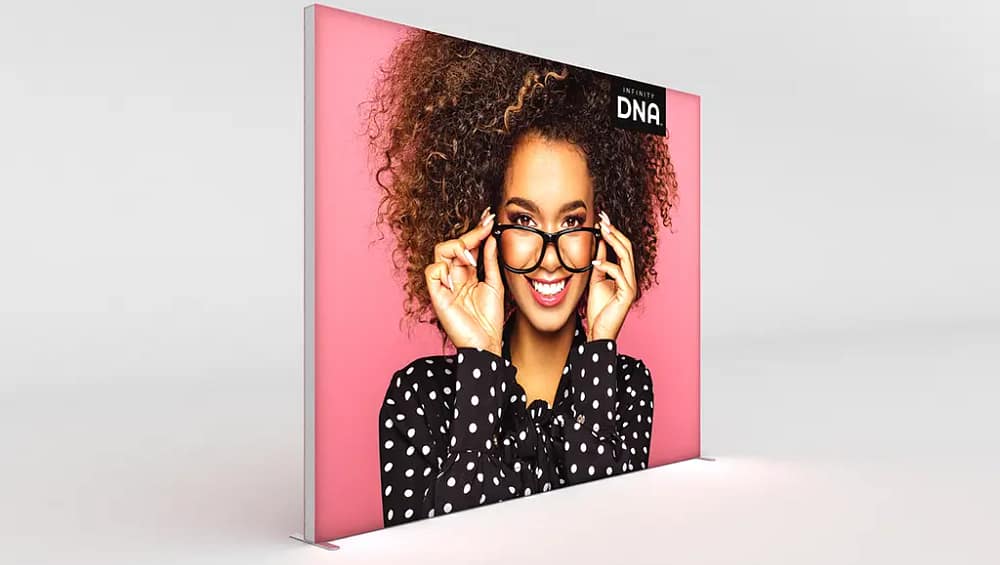
At events, fabric banners create immediate brand impact while taking up minimal floor space. For example, single-panel banners provide a bold backdrop for booths, whereas pop-up fabric displays extend visibility across larger exhibit walls. Moreover, because fabric is easy to fold and transport, exhibitors can arrive prepared and set up quickly, which reduces the time spent on-site and increases time for customer engagement.
Use Cases: Retail and Outdoor Promotions
In retail settings, fabric banners work effectively as aisle guides, seasonal signage, and window treatments. Additionally, they can be layered with other signage to create depth and draw attention to featured products. For outdoor promotions, choose banners with weather-resistant finishes and sturdy hardware, and remember that secure anchoring improves performance in breezy conditions. Thus, fabric banners adapt to both indoor and sheltered outdoor use.
Creative Uses of Multiple Products in the Category
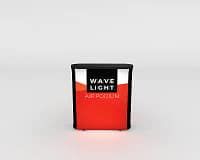
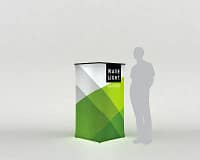
Combine several fabric banner types to tell a cohesive brand story. For instance, pair tabletop tension banners with a larger backdrop to create a branded demo station, and then add hanging fabric signs above the space to increase reach. Likewise, modular fabric walls can be configured to form private meeting zones, and consequently they turn open floors into functional brand environments. These combinations enhance message layering and improve visitor flow.
Setup Process: Quick Assembly Steps
Setup is straightforward, and the general process follows a few simple steps. First, unroll or unfold the printed fabric and inspect the print for any handling marks. Next, assemble the frame according to the included instructions, and then attach the fabric using pole sleeves, magnets, or clips. Finally, adjust tension evenly and secure bases where needed. Because the steps are intuitive, teams can complete assembly with minimal tools and in a short time.
Ultimately, fabric banners deliver striking visuals, easy portability, and versatile configuration options, which makes them ideal for a wide range of promotional needs. For a curated selection and further product details visit our Fabric Banners Collection. These options help you choose the right banner type, and consequently they reduce setup time while maximizing impact.