How Fabric Banners Are Made: Fabrics, Frames, and Finishing Details
Introduction
Fabric banners offer a flexible and attractive option for branding and displays, and they perform well in many environments. In this article, you will learn how fabric banners are made, what materials and frames are commonly used, and which finishing details matter most. As a result, you can choose the right combination of products for trade shows, retail displays, and outdoor events.
General Information
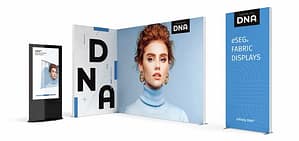
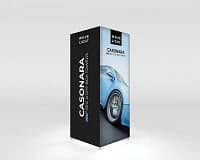
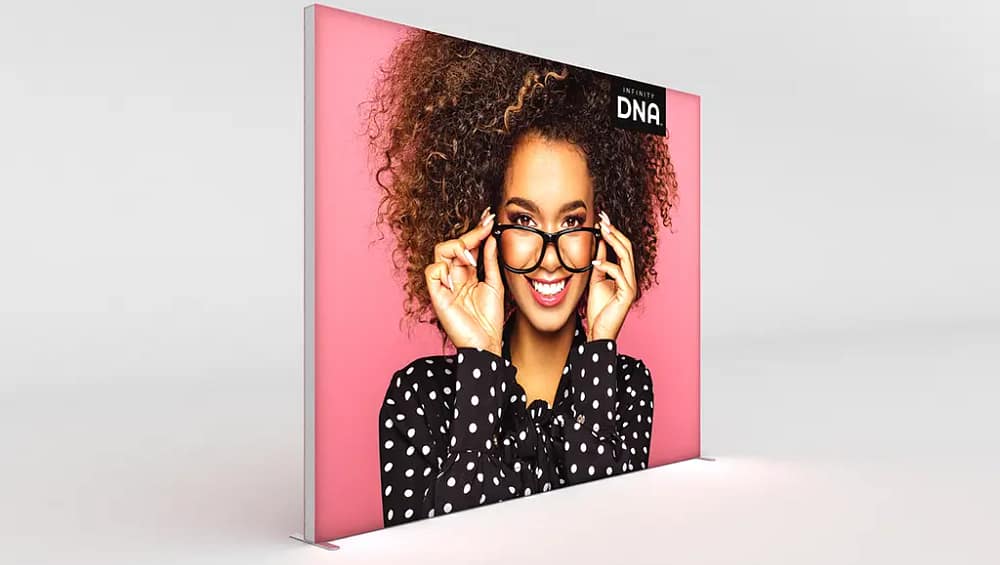
Fabric banners in this category range from single-panel pop-up banners to large tension fabric backdrops. Their light weight makes them easy to transport, and the textile surface delivers vivid print quality for logos and photography. Furthermore, fabric banners are reusable, which reduces long-term cost and waste while maintaining a professional appearance.
Fabrics and Print Quality
Most fabric banners use polyester knit or woven textiles because these materials accept dye-sublimation printing very well. Therefore, color saturation and edge-to-edge coverage are excellent. In addition, wrinkle-resistant blends and finishing processes help garments hold shape in frames and stand upright without visible creases. Consequently, your graphics stay crisp and consistent across events.
Frames and Support Systems
Frames range from lightweight aluminium tubing to modular extruded profiles that lock together for a taut finish. Pop-up frames are fast to set up, and tension frames provide a seamless, edge-to-edge look. Moreover, silicone edge graphics fit into channel frames to create a flush surface, while pole pockets and grommets allow for alternative hanging methods. Together, these frame styles let you select the ideal balance of speed and finish.
Use Cases
Fabric banners adapt to many marketing scenarios. For example, exhibitors rely on portable backdrops for branded booths, and retailers use banner stands to highlight promotions. Additionally, event planners choose large tension fabric walls for stage and photo backdrops, while community festivals prefer lightweight tear-resistant fabrics for temporary signage. Thus, fabric banners suit short-term campaigns and long-term installations alike.
Material Quality, Portability, and Setup Process
High-quality fabrics resist fading and abrasion, so they remain attractive through repeated use. Likewise, anodised aluminium frames reduce weight while increasing strength, which makes transport easier and setup faster. As a result, one person can assemble most display systems in minutes, and carrying cases protect printed graphics during transit. Furthermore, simple tools and clear instructions reduce setup errors and downtime.
Creative Uses of Multiple Fabric Banner Products
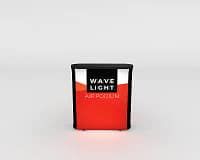
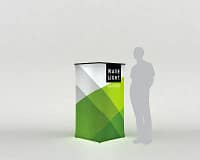
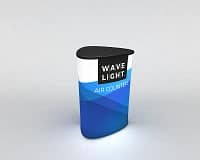
You can combine several fabric banner types to create layered environments that draw attention. For instance, use a large tension backdrop to anchor a space, then add smaller pop-up banners to mark product zones and guide foot traffic. Alternatively, hang vertical feather flags alongside a branded reception counter to reinforce messaging from multiple angles. These combinations increase visibility and create cohesive brand experiences across the event floor.
Conclusion
Fabric banners deliver a blend of visual impact, portability, and durability that fits many promotional strategies. Therefore, when you choose the right fabric, frame, and finishing details, you get a display system that is easy to transport, fast to set up, and striking in appearance. For a curated selection of options and ready-to-order products, explore our Fabric Banners Collection, and find the fabric banner solutions that match your event needs.