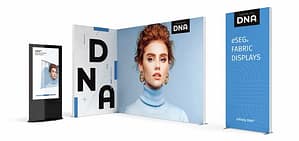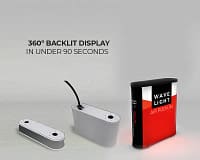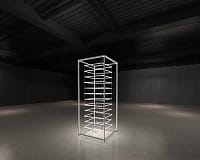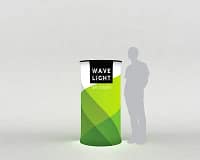
Understanding the materials behind modern lightbox signage is becoming critical for Australian retailers, property owners and brand marketers. As shopping centres and high streets fill with increasingly bright LED lightbox displays, many teams still focus on size and price while overlooking what actually holds the system together. When frames, diffusers and plastics are under-specified, the result is uneven lighting, warped panels and tired-looking graphics that age long before the campaign budget is spent.
Why materials matter in Infinity DNA™ Pro Lightbox systems
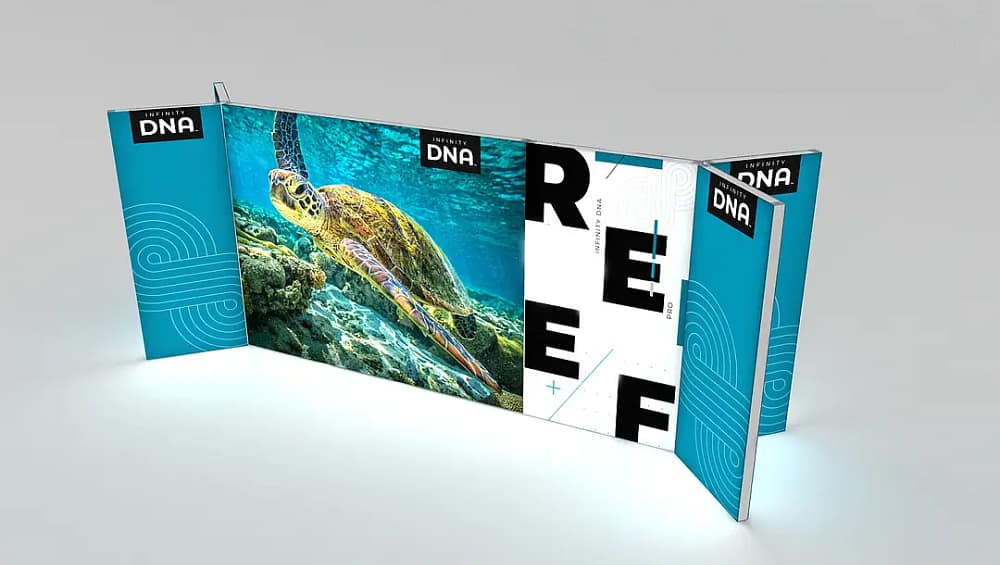
The performance of any advanced platform such as an Infinity DNA™ Pro Lightbox is only as strong as its substrates and components. Lightweight aluminium display frames may look similar at a glance, yet cheaper alloys can twist on long runs or when ceiling-suspended in busy retail environments. In Australia’s high-UV conditions, unprotected plastics can yellow or craze quickly, undermining the crisp look expected from premium illuminated trade show walls and in-store displays.
Common material-related failures in illuminated signage
Three issues surface repeatedly in rollouts of LED lightbox displays: patchy illumination, structural movement and premature surface wear. Hot spots, striping and dull corners often trace back to low-cost LEDs matched with basic diffuser sheets never designed for side-lit systems. Frames that bow away from walls or gap at the mitres usually indicate thin-wall profiles or connectors that can’t cope with constant cleaning, merchandising changes or minor knocks from trolleys and crowds.
How poor material choices erode brand impact over time
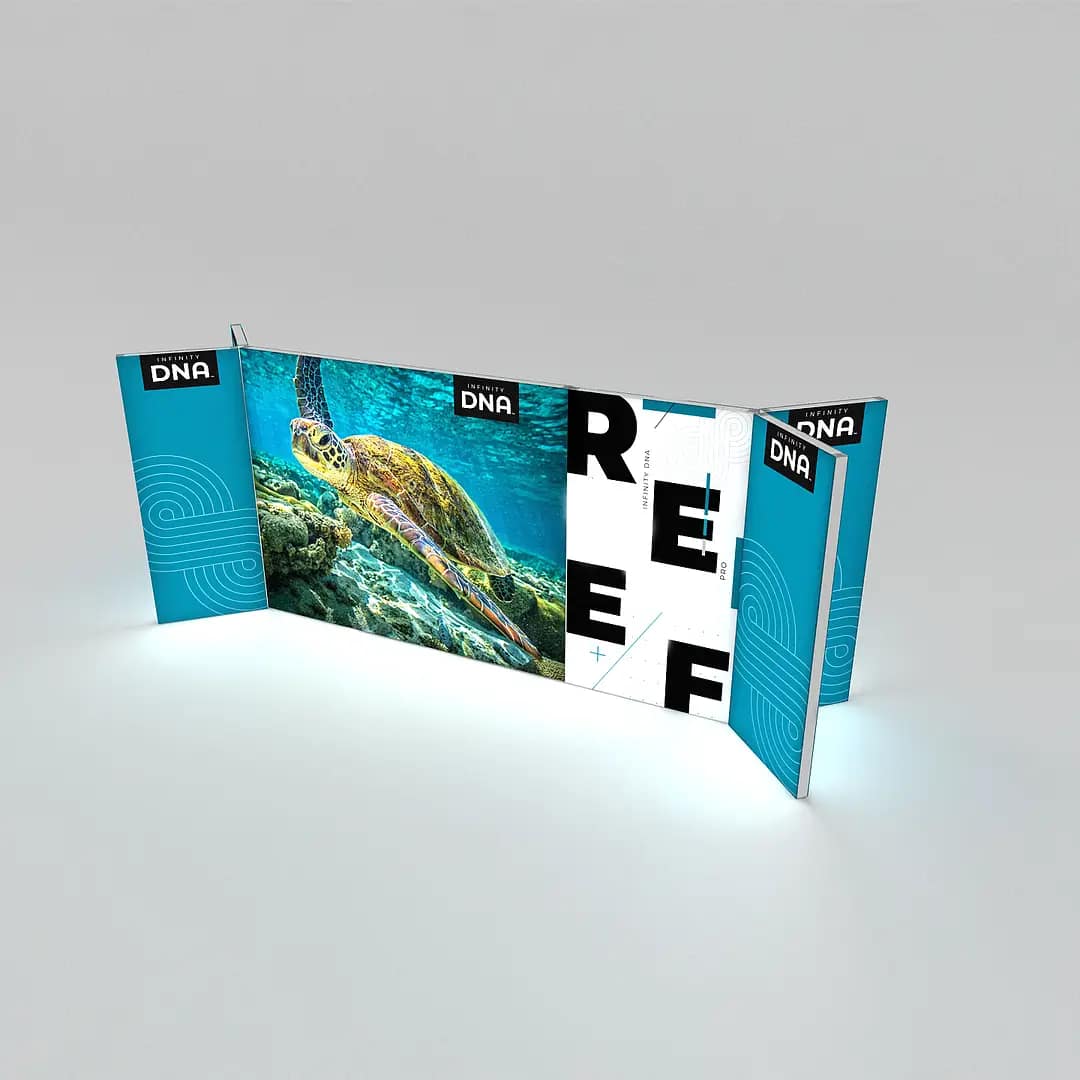
The real damage from low-grade materials is often subtle and cumulative. Shopfronts facing western sun may show yellowing diffuser faces within a single summer, while SEG fabric lightbox graphics can sag when frame tolerances are loose. Across national networks of custom exhibition stands or reusable modular exhibition displays, even minor differences in colour temperature or frame straightness create a disjointed brand experience that audiences instinctively read as lower quality.
- Noticeable hot spots, dark patches or striping across illuminated surfaces.
- Corners opening up, frames bowing off the wall or visible joins between modules.
- Yellowing, crazing or cloudy diffuser panels in window-facing locations.
- Fabric faces losing tension or rippling along edges after short timeframes.
- Inconsistent colour temperature between sites, booths or portable display solutions.
These warning signs are often more pronounced in modular LED display systems, portable illuminated booth backdrops and tool-free trade show lightboxes that are constantly transported and reassembled. When engineering loads, fire ratings and UV performance are not specified up front, property and marketing teams inherit a system that is expensive to maintain and difficult to standardise. Early consultation with signage specialists familiar with high-end modular display stands can prevent these problems before a major rollout is approved.
Before signing off on your next lightbox tender, assess existing installations for warping, yellowing, flicker and mismatched colour across your network. If you see recurring issues, engage an independent signage expert to review material grades, LED specifications and diffuser selections so future environments remain consistent, durable and on-brand.