Maintenance Tips for Long-Lasting OneFabric® Pop-Up Banners
In Australia’s leaner marketing landscape, every display asset must earn its keep over multiple campaigns, not just a single show. OneFabric Pop-Up Banners offer fast setup and premium presentation, but their commercial value depends on how rigorously teams manage handling, cleaning, storage, and freight. Treating these systems as capital assets rather than consumables cuts replacement costs, protects brand consistency, and supports sustainability commitments increasingly written into procurement frameworks.
Well-managed fabric display fleets routinely deliver three to five years of service, transforming “event spend” into a durable, measurable brand asset.
Maintenance tips for long-lasting OneFabric® Pop-Up Banners
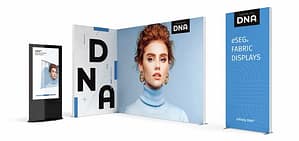
Australian marketers are under pressure to deliver more touchpoints with leaner teams, so systems like custom fabric displays must work flawlessly under constant rotation. The most resilient kits are not always the most expensive; they are the ones supported by clear ownership, codified care standards, and smart logistics. Integrating maintenance expectations into briefing documents, asset registers, and supplier SLAs turns banners from “set and forget” props into governed brand infrastructure.
Handling and setup discipline
Most damage occurs during bump-in and bump-out, when fatigue and time pressure peak. Training staff to use specified grab points, rather than tugging at the print, protects stitching and zips on collapsible display systems. A short setup checklist that covers frame locking, tensioning, and inspection for snags is a low-cost safeguard. Over time, this discipline also preserves the crisp geometry that differentiates premium pop up display stands from cheaper, sagging alternatives.
Cleaning, storage, and transport strategy
Fabric graphics are increasingly chosen over rigid panels because they align with reusable event signage goals and lower freight volumes. However, harsh cleaning agents and rushed pack-down can rapidly dull colours, undermining branded exhibition graphics on camera and under LED lighting. Gentle spot cleaning with mild detergent, ensuring the fabric is fully dry before packing, and avoiding overstuffed cases all extend the life of lightweight fabric backdrops in the field.
Transport strategy is now a strategic differentiator, especially for teams running frequent interstate roadshows. Treating cases as protected freight rather than filler for ute trays or vans reduces frame fatigue and alignment issues in portable trade show displays. Coordinating with logistics partners so cases are strapped, not stacked under heavy gear, can prevent micro-damage that only becomes visible as waviness in a tension fabric backwall. This approach supports both budget control and sustainability reporting.
Forward-looking Australian brands are reframing portable advertising solutions and other event marketing tools as a managed asset class rather than discretionary décor. By auditing current compact banner solutions, clarifying ownership, and formalising maintenance routines, marketers can reduce waste, lift visual standards, and free budget for innovation. To benchmark your program and identify quick wins, review how your team currently cares for OneFabric Pop-Up Banners and outline a simple, event-ready maintenance checklist before the next campaign cycle.
To strengthen your display strategy, take 15 minutes this week to review your fabric inventory, retire genuinely obsolete pieces, and nominate an internal “display owner” responsible for care standards and supplier coordination. If you’re unsure where to start, speak with your production or brand team about building a maintenance playbook covering setup, cleaning, storage, and freight. A small shift in process today can extend the working life of your banners for years to come.