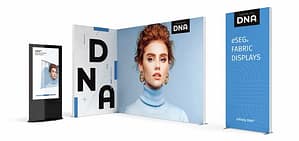
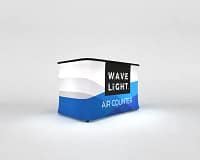
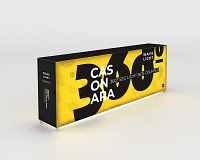
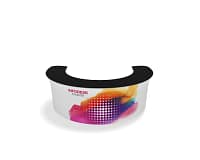
Choosing between WaveLight Air Wall Displays vs. Traditional Lightboxes: A Comparison can feel daunting when you’re under pressure to deliver a flawless event in Australia. You need eye-catching results, predictable costs, and a setup your team can handle without drama. Understanding how each option works, what they cost over time, and how they perform on the road is the first step to making a confident, low-risk choice for your next activation.
When you understand how each display system behaves in the real world – from freight to safety and reusability – choosing the right solution stops feeling risky and starts feeling strategic.
WaveLight Air Wall vs. traditional lightboxes: what really matters
Both inflatable exhibition walls and traditional lightboxes are designed to deliver bright, backlit visuals, but they differ in how they handle logistics and on-site workflows. Rigid systems rely on aluminium frames and multiple components, so they often suit teams with installers, time, and storage. Inflatable options prioritise mobility, fast setup, and small packing volumes, making them ideal portable display solutions for touring campaigns, pop-ups, and regional events. Comparing these elements side by side helps you select the technology that fits your team’s capabilities and budget, not just the visual you like on paper.
How modern backlit systems work
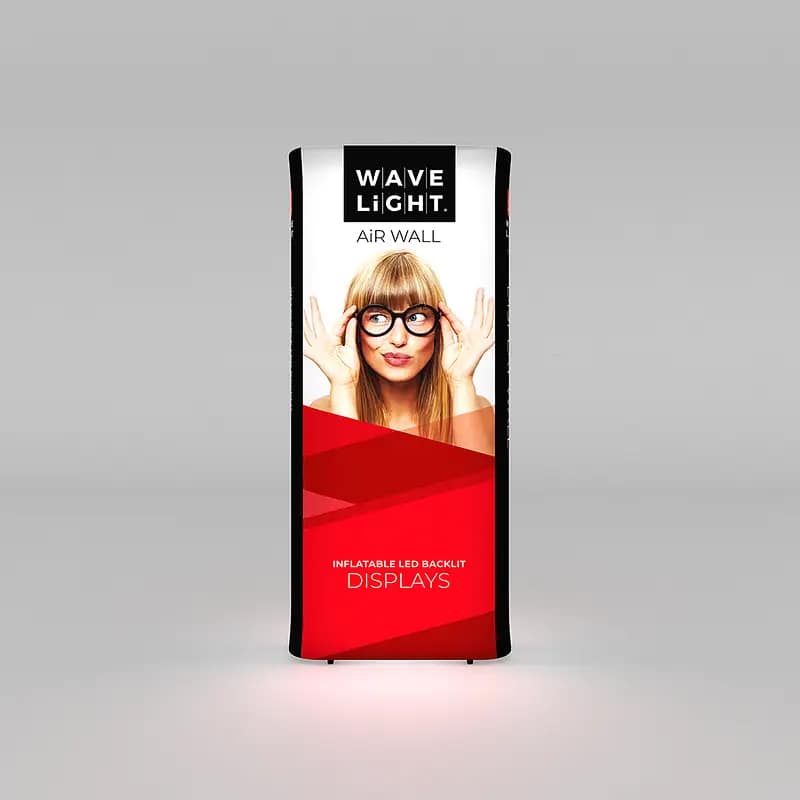
Inflatable displays use internal or edge-mounted LEDs and tensioned fabric graphics to create a smooth, evenly lit surface. Once inflated, the structure becomes surprisingly rigid, functioning as lightweight trade show walls that look substantial without the weight. Traditional lightboxes use similar LED technology but rely on modular frames and SEG fabric display systems that must be assembled on site. With both approaches, quality hinges on consistent illumination, durable zips and valves, professional dye-sublimated printing, and safe, certified power components so your team can focus on brand storytelling instead of troubleshooting hardware.
Quality, safety, and long-term value
Australian brands are right to ask about safety, reliability, and print lifespan before investing in large format trade show displays. Reputable suppliers use fire-retardant fabrics, tested air bladders, and compliant electrical components designed for repeated use in venues nationwide. Systems like the Wavelight Air Wall allow you to swap custom fabric banners while reusing the core structure, reducing long-term campaign costs and landfill. Likewise, traditional lightboxes can be integrated with reusable branded backdrops or modular event display kits, but often need more crating, tools, and labour to manage safely at scale.
To choose with confidence, map your real-world needs: how often you travel, how many people are available to install, and how frequently your creative changes. Portable illuminated backdrops with LED backlit event signage generally suit agile event marketing tools, roadshows, and retail promotions where fast turnaround matters. More permanent spaces may benefit from fixed lightboxes that integrate with existing joinery. If you’d like tailored advice on WaveLight Air Wall Displays vs. Traditional Lightboxes: A Comparison for your exact schedule and budget, speak with the team today to review your options and lock in a display solution you can rely on event after event.