Where to Use Hanging Banners: Ideal Venues and Applications
Introduction
Hanging banners help your brand rise above the crowd, and therefore they are a smart choice when floor space is limited or when you need clear sightlines across busy venues. In this guide you will find practical advice on where hanging banners work best, how to choose the right type for each environment, and creative ways to combine multiple banner styles for maximum impact.
General Information about Hanging Banners
Hanging banners occupy overhead space, and as a result they maintain open floor layouts for demonstrations and meetings. They are available in a variety of shapes, sizes, and suspension systems, so you can match a banner to the architecture and flow of an event space. To browse options and compare formats, see the product selection below and then choose the style that fits your venue.
Explore our full range of Hanging Banners
Specifications and Design Options
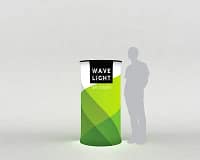
Hanging banners come in circular, rectangular, and tapered profiles, and each profile offers specific visibility advantages. For instance, circular banners provide consistent 360 degree visibility, while rectangular banners align with long aisles to guide traffic. Choose height and diameter based on viewing distance, and ensure artwork is exported at scale with bleed and safe margins. Furthermore, use high contrast palettes and short, bold copy for legibility at distance.
Use Cases: Venues and Scenarios
Trade Shows and Exhibitions
At trade shows, hanging banners act as reliable markers and wayfinding elements. They rise above crowded aisles, and therefore attendees spot your location sooner. Use tapered or directional profiles to draw attention to a demo booth or stage.
Conference Foyers and Ballrooms
In conference settings, banners clarify registration zones and session entrances. Moreover, they provide consistent branding across multi-room setups without occupying valuable floor real estate.
Retail Atriums and Malls
Retail atriums benefit from elevated signage that does not compete with fixtures. As a result, hanging banners create seasonal campaigns and promotional focal points that are visible from multiple levels.
Product Category Advantages in Different Settings
Hanging banners are versatile, and they offer both directional and branding benefits. For example, in large venues they provide long-range identification, and in smaller venues they preserve open sightlines for demonstrations. In addition, their modular suspension systems enable quick reconfiguration for different floor plans.
Creative Uses of Multiple Hanging Banner Types
Combine circular banners with rectangular directional banners to create a layered visual hierarchy. For instance, hang large circular markers to establish zone identity, and then add tapered banners above demo areas to highlight specific activities. This layered approach increases recall and guides foot traffic intuitively.
Material Quality, Safety, and Compliance
Select materials that balance print fidelity with durability, and therefore choose flame retardant fabrics and certified rigging hardware for public venues. Keep fire retardant certificates available for inspections, and ensure rigging plans meet venue requirements prior to installation.
Portability and Setup Process
Most hanging banner systems are lightweight and designed for rapid setup. As a result, you can transport components in compact crates and assemble them with basic tools. In addition, standardized sleeves and modular fittings allow local teams to update copy or swap graphics without redesigning the structure.
Conclusion
Hanging banners are an effective category of overhead signage that enhances visibility, preserves floor space, and improves wayfinding. By choosing the right profile, material, and suspension method, you can maximize brand presence across trade shows, conferences, and retail spaces. Finally, thoughtful combinations of banner types deliver both aesthetic appeal and clear visitor guidance, so your next event performs better from both a branding and logistical perspective.