Exploring Hanging Banners: A Complete Overview of Display Options
Updated: November 09, 2025
Hanging banners give your brand instant visibility above the crowd, and therefore they are a smart choice for trade shows, retail environments, and large event spaces. Because they use overhead space instead of floor space, hanging banners keep aisles open, and consequently they create a cleaner environment for demonstrations and meetings. This guide explains the category, highlights key options, and shows how to choose the right hanging banner for your goals.
General information about hanging banners
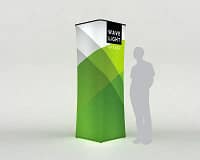
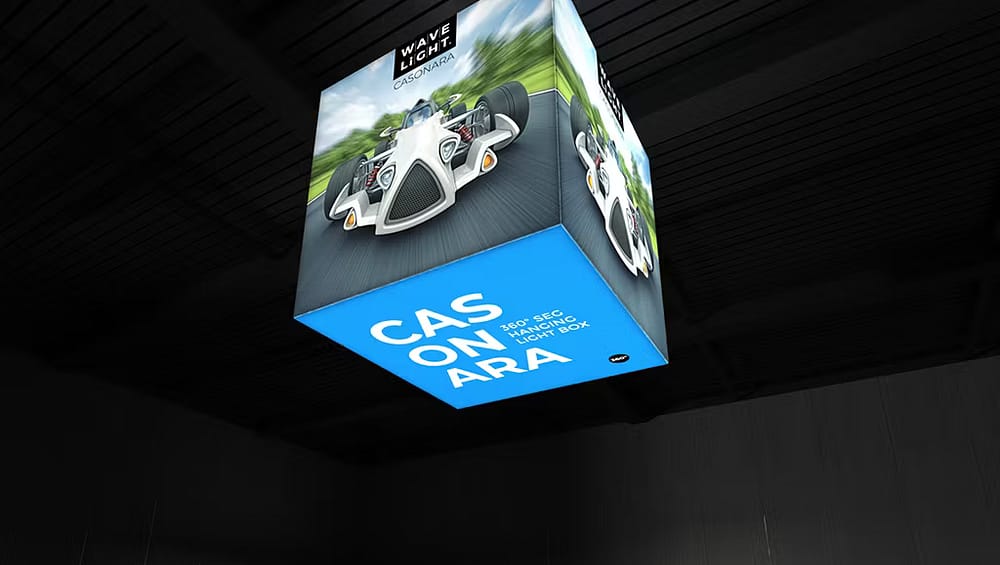
Hanging banners include a variety of overhead displays such as round and square drums, long rectangles, and tapered shapes. Moreover, each style projects brand identity beyond the booth perimeter, which increases sightlines from a distance. In addition, modern kits are designed for portability so you can move quickly between venues.
Product families and core components
Most hanging banners combine numbered aluminum tubes with a tensioned fabric sleeve. For example, the sleeve is often printed using dye-sublimation to preserve color accuracy under show lighting. Furthermore, sleeves usually zip closed around the frame for a smooth matte finish that photographs well. Finally, look for kits with clear assembly instructions and labeled components to speed setup.
Specifications and material quality
When comparing options, verify tube wall thickness and joint integrity because these factors affect wind resistance and longevity. Also, confirm rated hanging points and the load rating of any included hardware. Additionally, request fire-retardant certification and ensure the fabric printing uses high-density dye-sublimation for long-lasting color. These choices reduce risk and maintain professional appearance.
Design features that improve readability
Design for distance by using large type, short messages, and strong contrast. Moreover, favor simple logos and a single focal point to keep viewers’ attention. Therefore, test your artwork at full scale and review it on a distant monitor to confirm legibility. Also, include bleed and safe margins in exports to avoid unexpected cropping at the venue.
Use cases and creative combinations
Hanging banners excel at wayfinding, brand reinforcement, and creating a hub effect in open-plan exhibits. For example, pair a circular drum above a demo island to draw attendees in, and use long rectangular banners to mark aisle ends. In addition, combine hanging banners with modular backwalls and tabletop displays to build layered visual depth that guides visitor flow.
Portability, setup process, and venue compliance
Because many systems break down into labeled tubes, they fit into compact cases for shipping and storage, and therefore they reduce logistics cost. Setup typically involves assembling the frame, sliding the printed sleeve over the frame, closing the zipper, and then attaching certified rigging hardware. Moreover, always check venue rigging policies and have fire-retardant documentation available to avoid last-minute revisions.
Where to explore options and next steps
When you are ready to evaluate specific models and sizes, compare options by visibility range, packed dimensions, and hanging ratings. Next step: Explore our full range of Hanging Banners
Conclusion: Benefits that matter
In summary, hanging banners maximize brand reach while preserving valuable floor space. They are versatile, easy to transport, and highly visible from afar. Therefore, by choosing the right shape, materials, and certified components, you gain a cost effective overhead solution that supports both short-term events and long-term brand programs.