The Materials Behind Hanging Banners: Strength Meets Style
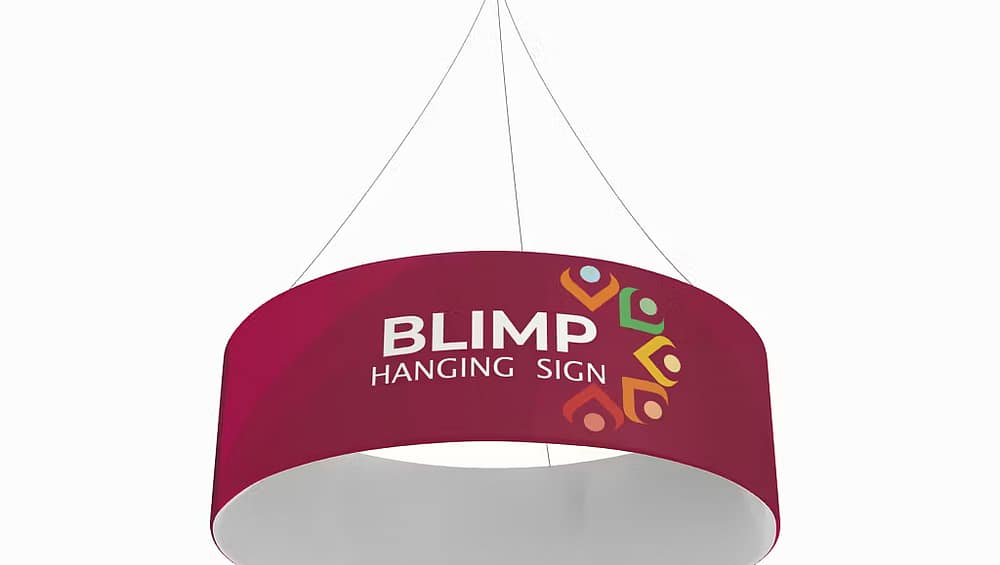
Hanging banners are a versatile category that elevates visibility and keeps floor space clear. They perform double duty by making brands visible from a distance and by maintaining an open expo layout for demonstrations and meetings. Consequently, choosing the right materials affects durability, appearance, and ease of use. This guide explains material choices, practical applications, and how to get the most from hanging banners across events and retail environments.
General information about hanging banner products
Hanging banners come in a range of sizes and formats, and they typically include a printed graphic plus a supporting frame or sleeve. Furthermore, products in this category vary by frame alloy, textile type, and print method, and each variation suits different priorities such as indoor lighting, budget, or portability. Therefore, understanding the differences helps you select the best option for trade shows, retail displays, and public spaces.
Material types: frame alloys, fabrics, and print methods
Lightweight frames are often made from aircraft-grade aluminum, which balances rigidity with portability. In addition, aluminum resists corrosion while remaining light enough for simple rigging. For graphics, stretch polyester is common because it absorbs dye for rich color and minimizes glare under overhead lighting. Meanwhile, vinyl options provide high durability in outdoor or harsher indoor conditions. Regarding print methods, dye-sublimation delivers smooth gradients, whereas UV printing provides crisp detail with quick turnaround.
Design features and components
Most hanging banners include modular tubes, locking fittings, a sewn sleeve or top hem, and certified attachment points. Moreover, quality products use labeled tube systems to speed assembly and reduce errors. Consequently, teams can standardize layouts and scale artwork consistently across sizes. In addition, reinforced corners and double-stitched hems extend product life and protect edges during transport.
Use cases and practical applications
For example, hanging banners are ideal for large trade shows where sightlines matter, because they put your brand above the crowd. Additionally, retail spaces use them to highlight seasonal promotions without crowding aisles, and museums or galleries use fabric banners for a refined, low-glare presentation. Moreover, stadium concourses and public events benefit from durable vinyl variants that withstand varied lighting and handling.
Product category advantages in event settings
Hanging banners maximize overhead real estate, and as a result they help maintain clear floor plans for demos and customer conversations. Also, because graphics hang above eye level, they attract attention sooner and guide attendees to your space. Furthermore, choosing fabrics with anti-glare finishes improves readability under exhibit hall lighting, enhancing engagement.
Portability, setup process, and tooling
Assembly is methodical and designed for local teams to execute quickly. First, labeled tubes connect and lock into place. Next, slide on the sleeve and close the zipper or fastener. Finally, attach certified cables and connections using included rigging hardware. Heavy tools are rarely needed, although a driver is helpful for accessory mounts. Therefore, setup times shrink with practice and with standardized components.
Care, storage, and maintenance
After events, store fabric sleeves folded in soft pouches to prevent creases and scratches. Additionally, protect frame sections with foam and keep rigging hardware bagged and inventoried for the next show. For prints, export artwork at correct scale with bleed and safe margins, and test contrast on a distant monitor to ensure legibility from afar.
Creative uses of multiple products in the category
Combine hanging banners with floor stands and backdrops to create layered brand environments. For instance, use tall hanging graphics to draw traffic, then support product messaging with tabletop banners and modular counters. In addition, mix fabrics and vinyls to balance style and durability across indoor and semi-outdoor zones.
Conclusion: choose materials that match goals
Choosing the right hanging banner materials delivers visibility, durability, and ease of use. Consequently, prioritize lightweight alloys for portability, select fabric types for color and glare control, and standardize components to simplify setup. For inspiration and to compare options across the category, Next step: Explore our full range of Hanging Banners.