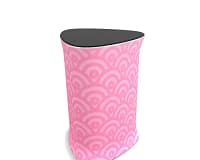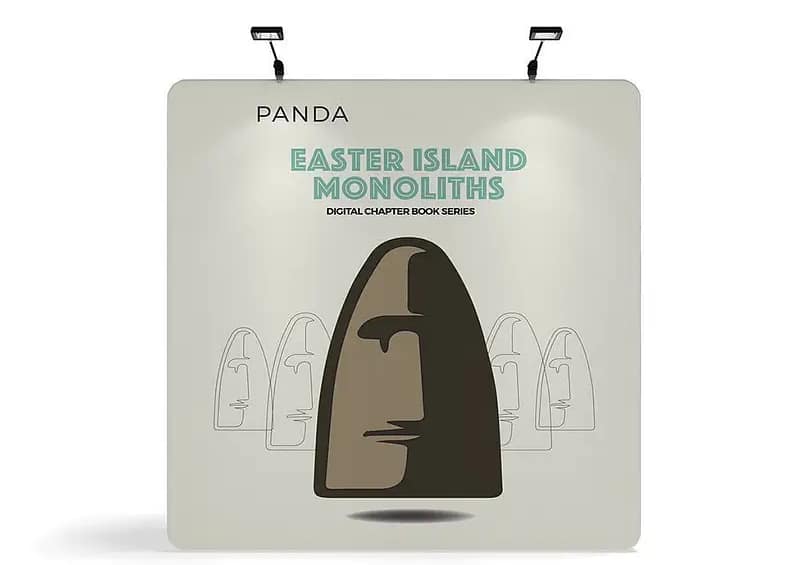
Australian retailers are rethinking how physical spaces support fast-moving campaigns, omnichannel journeys, and brand storytelling. In this context, Waveline Monolith Banners are emerging as a strategic platform rather than just another form of signage. By combining tension fabric technology with slimline hardware, they deliver future-ready in-store communication that keeps pace with changing shopper expectations and digital-led marketing.
In modern Australian retail, banners are no longer background décor – they are active, data-informed tools for guiding journeys, testing concepts, and translating brand strategy into the physical environment.
The strategic shift from static signage to agile storytelling
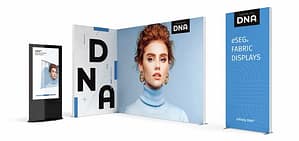
Traditional posters and foamcore boards lock retailers into short-lived campaigns and frequent hardware waste. Tension fabric systems, by contrast, allow graphics to be refreshed quickly while the frames remain in play across multiple seasons. This agility is critical as retailers respond to localised offers, rapid promotions, and shifting consumer sentiment. A single frame can support everything from brand blocks to wayfinding, turning custom fabric displays into an adaptable visual language across the network.
Operational efficiency and total cost of ownership
For multi-site retailers, operational complexity is often the hidden cost of in-store marketing. Lightweight aluminium structures and fabric sleeves reduce freight expenses, damage rates, and install times compared with rigid substrates. Store teams can assemble units in minutes without tools, freeing visual merchandisers to focus on intent and impact rather than logistics. Over time, reusing the same hardware with new skins can outperform traditional high-impact retail banner stands on both cost and carbon metrics.
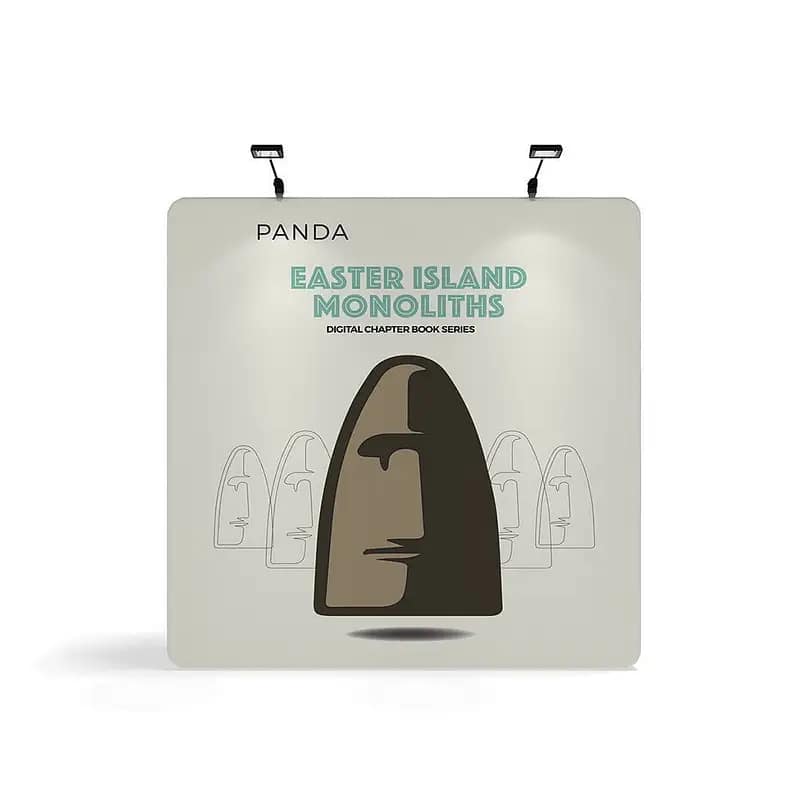
Designing for omnichannel retail journeys in Australia
As click-and-collect, ship-from-store, and experiential formats grow locally, banners must do more than promote discounts. They need to define service zones, reassure customers, and echo digital messaging at the shelf. When retailers align SEG fabric banner graphics with website assets, performance media, and app content, they create continuity from search to store. Slimline structures can also support QR-led experiences, tying physical discovery to digital journeys and measurement frameworks.
Embedding tension fabric into retail strategy
Thoughtful leaders treat tension fabric as part of a broader communication ecosystem. That means building a content calendar for graphic refreshes, mapping placements to traffic flows, and standardising a core kit of sizes that flex across formats, from lightweight exhibition display solutions to in-store hero zones. Many are also exploring premium fabric banner displays that support sustainability goals through longer lifecycle hardware and recyclable substrates, while keeping creative impact high.
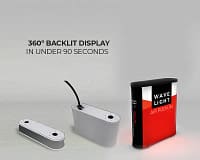
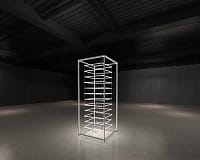
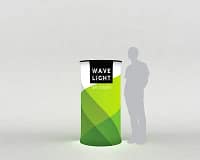
Forward-looking retailers are already extending this approach to portable exhibition signage, reusable backlit display systems, and modular illuminated branding walls, ensuring consistency from trade fairs to flagship stores. The question is no longer whether to deploy Waveline Monolith Banners, but how to integrate them into an insight-led framework that can test concepts quickly and scale what works. To stay competitive, review your current in-store communication strategy, identify underperforming signage, and speak with a retail display specialist about building a more agile, future-ready system.