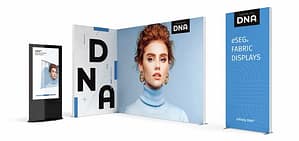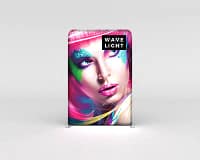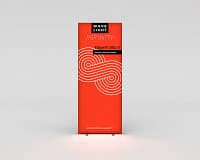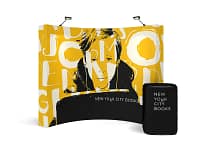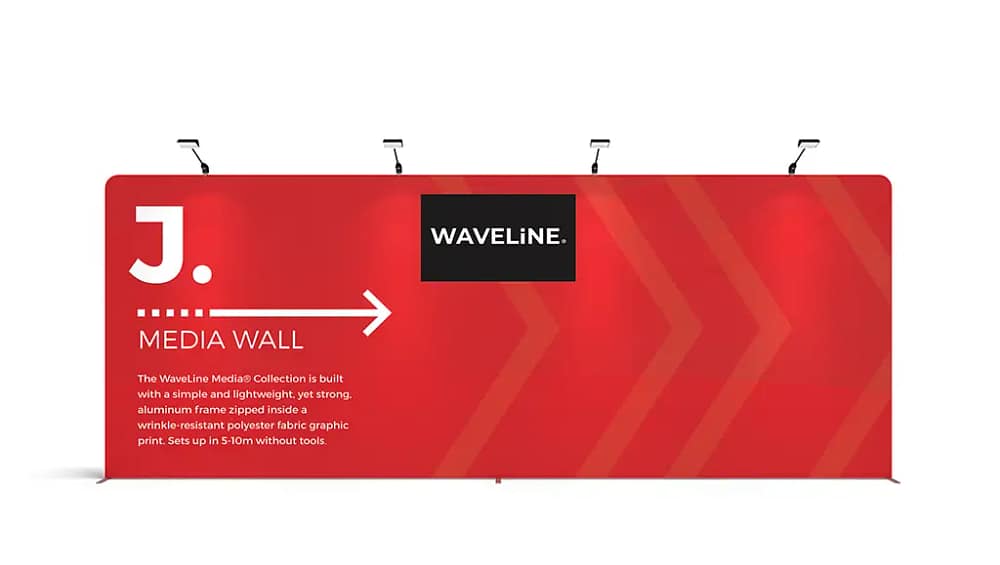
Waveline® Tension Fabric Banners vs. Traditional Signage: A Comparison
Across Australia, many exhibitors still drag bulky pull-up banners, corflutes and rigid boards from venue to venue without questioning the true cost. Within the first few events, it becomes clear that systems built for fixed installations struggle in a fast-paced, mobile exhibition circuit. The issue is no longer just about how your stand looks, but how much time and money gets soaked up every time you move it. In contrast, Waveline Tension Fabric Banners highlight just how inefficient older hardware has become.
The hidden cost of outdated display systems
Traditional signage is typically heavy, slow to assemble and expensive to freight between cities. For brands hopping regularly between Sydney, Melbourne and Brisbane, every extra kilogram increases logistics bills and handling time. Couriers charge more for bulky cartons, while storage depots penalise oversized gear that refuses to pack down small. Industry suppliers note that lightweight fabric trade show displays can slash freight weight by up to three-quarters. Over a full exhibition season, that gap becomes a significant line item rather than a rounding error.
Why portability now shapes event performance
The events landscape has shifted towards rapid bump-ins, pop-up activations and lean teams. Organisers often allow just a few hours to get stands built, styled and compliant before doors open. Systems that need tools, ladders or specialist installers chew through that window quickly. Portable exhibition signage built around aluminium tube display frames and tool-free exhibition display kits is better suited to this reality. When one person can assemble a stand without fuss, the team can focus on meeting visitors instead of wrestling hardware.
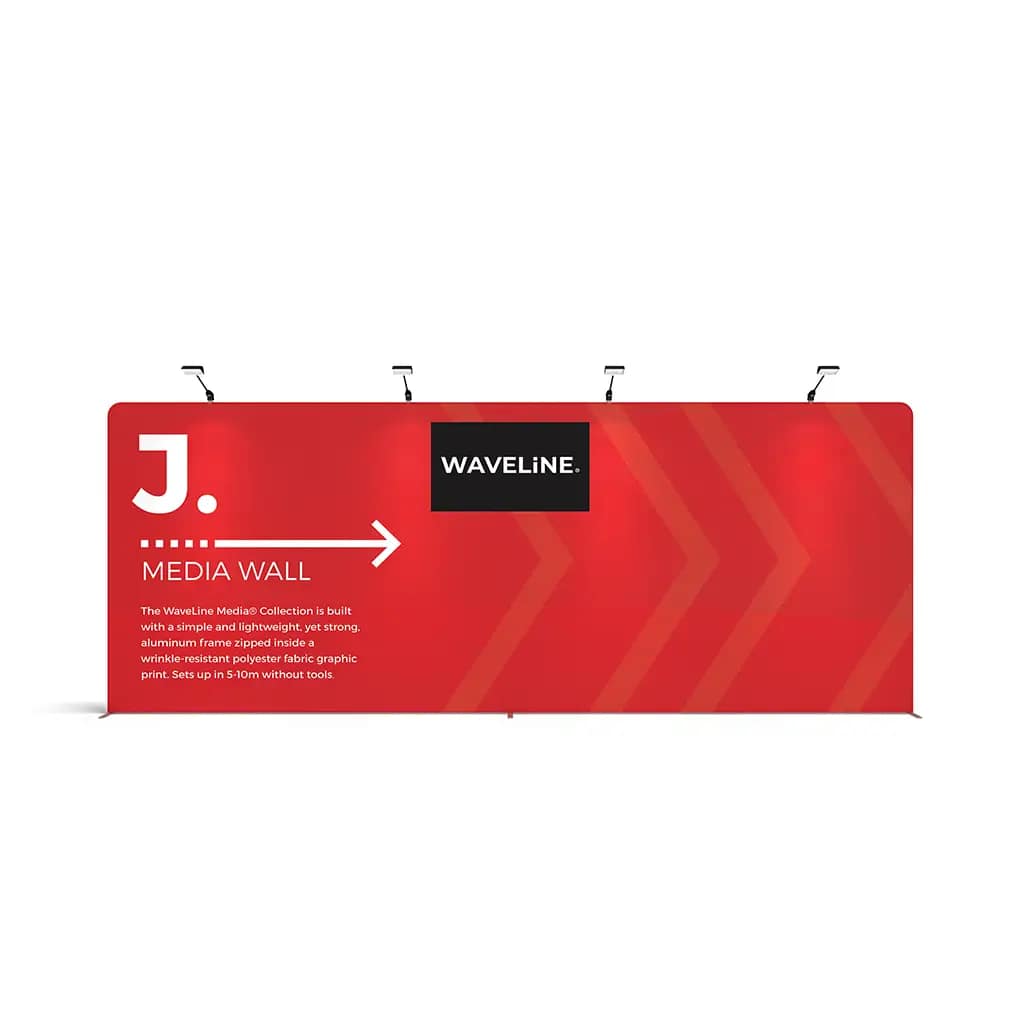
Warning signs your signage is holding you back
There are clear red flags that your current kit is becoming a liability rather than an asset. Teams that dread late-night pack-downs, or routinely call in contractors just to get displays upright, are feeling the strain. Creased rigid panels, cracked edges and mismatched replacements also erode brand consistency on the show floor. If interstate events are being skipped due to freight quotes, the opportunity cost quickly exceeds the price of an upgrade. These patterns all point to systems that no longer match modern exhibiting demands.
- Your graphics arrive at venues with dents, creases or surface scuffs that can’t be hidden.
- Pack-down regularly runs over time because components are awkward, heavy or confusing.
- You rely on contractors or tools for basic assembly instead of simple portable fabric banner systems.
- Brand colours appear dull or uneven under venue lighting compared with your digital artwork.
- You hesitate to update creative because rigid reprints are costly and end up in landfill.
Misconceptions often keep businesses stuck with these pain points longer than necessary. Some marketers still assume fabric looks “cheap” or won’t survive repeat interstate circuits. Modern stretch fabric graphic printing and tension banner printing, however, routinely achieve sharp, photo-quality results. Many exhibitors use reusable trade show backdrops and washable tension fabric graphics across multiple campaigns without visible fade. With custom fabric display solutions and custom tension fabric signage, frames are retained while only the printed skin changes, limiting waste and replacing just what the audience sees.
Ignoring these issues can quietly undermine your national marketing efforts. Slow bump-ins reduce rehearsal time, rushed teams miss chances to refine messaging and damaged graphics weaken first impressions. Over a year, the combined freight, labour and replacement costs rival the investment in contemporary Waveline Tension Fabric Banners. For organisations planning a heavy events calendar, it is worth reviewing whether your current hardware still earns its keep. Consider speaking with an exhibition specialist to audit your set-up and explore more efficient, modern display options before your next show season locks in.