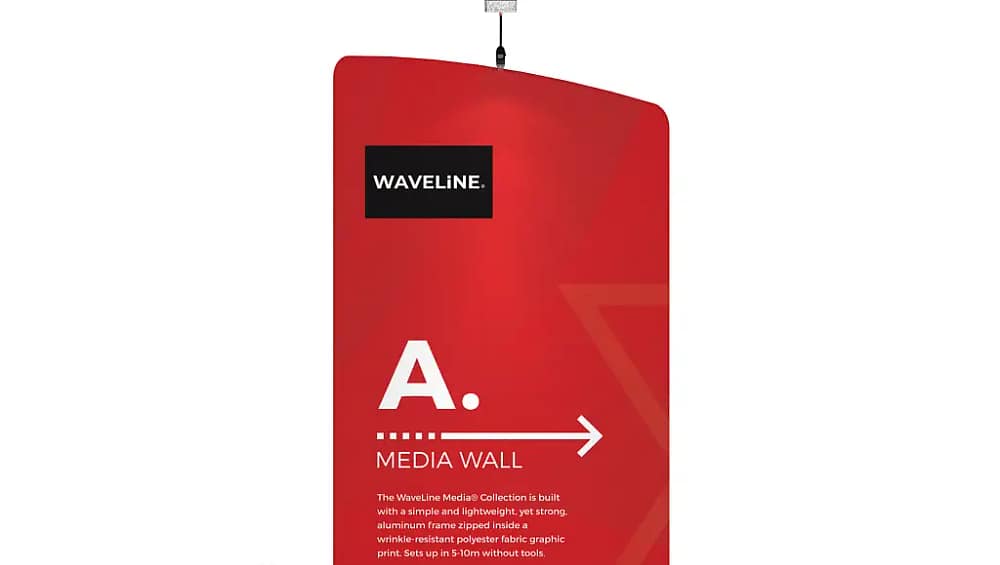
Australian exhibitors are hunting for smarter ways to stand out without blowing the budget on freight, storage and labour. As trade show seasons ramp up in Sydney, Melbourne and Brisbane, many marketers are questioning whether old-school pop-up walls and panels still stack up. Increasingly, Waveline Media Banners are emerging as a leaner, more versatile option for brands that need impact and agility across a full event calendar.
5 Ways Waveline Media Banners Outperform Traditional Displays
For teams juggling multiple expos, roadshows and retail activations, the choice of display hardware has real implications for cost, safety and consistency. Tension fabric systems can travel from exhibition floors to shopping centres as portable event display systems with minimal fuss. Below, we unpack five practical reasons Australian marketers are shifting away from rigid hardware to modern, fabric-based solutions.
1. Easier Transport and Lower Freight Costs
Traditional laminated panels, timber structures and bulky lightboxes often demand trolleys, large vehicles and extra crew to move them. By contrast, Waveline Media Banners use aluminium frames and fabric skins that pack into a single carry bag, ideal for teams flying between capitals. This lighter footprint cuts excess baggage charges and courier fees while reducing manual handling risks for staff.
2. Faster Set-Up for Tight Bump-In Windows
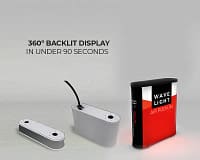
Venue schedules are unforgiving, and older modular systems can chew through precious bump-in time with tools, loose parts and complex instructions. Click-together frames and custom printed tension fabric sleeves allow a small team to assemble a full backdrop in minutes. That speed gives marketers more time for product demos, media interviews and lead capture instead of wrestling with hardware.
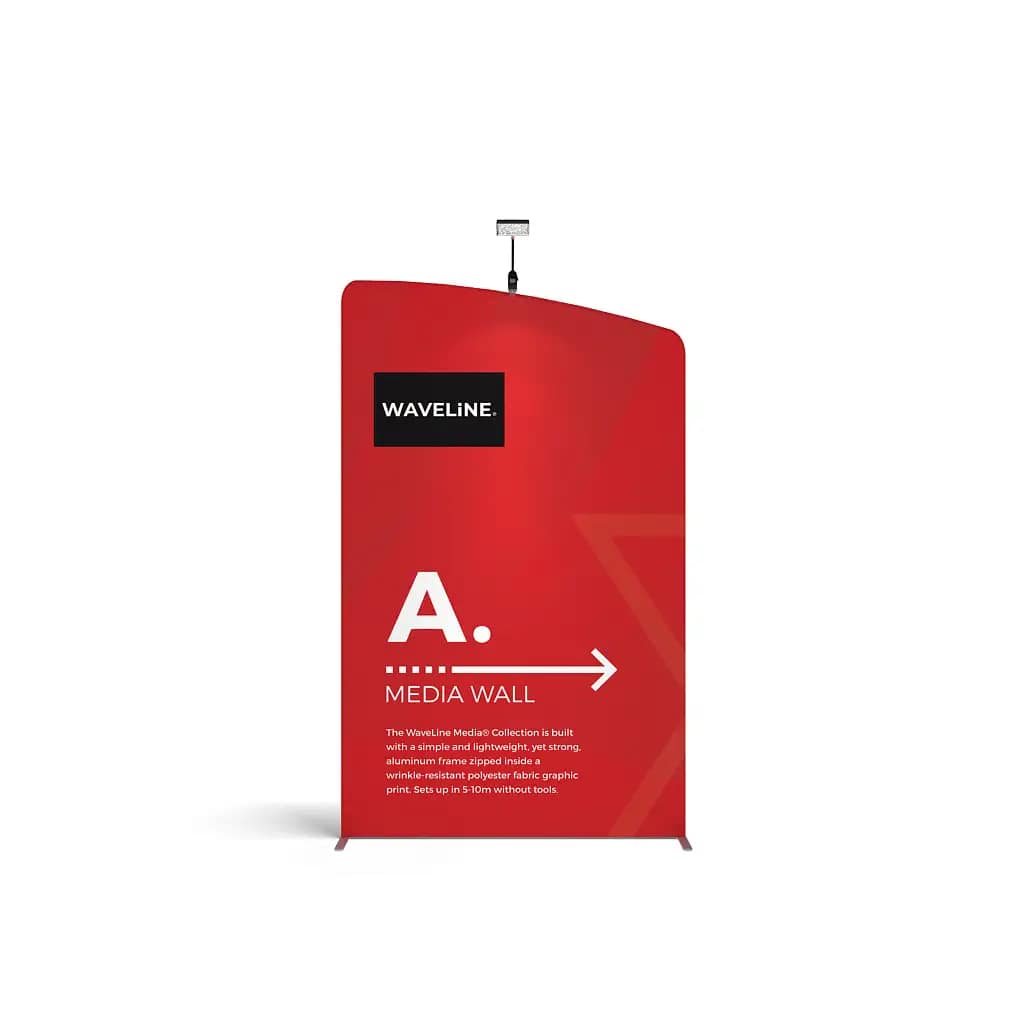
3. Cleaner Visuals and Stronger Branding
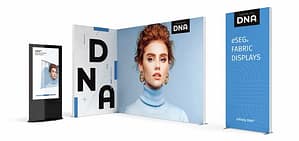
Panel-based systems often show joins, glare and misaligned graphics that undermine high-impact booth visuals. Seamless fabric skins deliver a smooth surface with consistent colour, ideal for lifestyle photography, gradients and bold typography. Marketers can extend this look across custom fabric displays, portable conference signage and in-store walls for a unified brand experience.
4. Lower Lifetime Costs and Better Reusability
What looks cheap upfront can quickly become expensive once you add storage, freight and replacement panels damaged in transit. Fabric systems are designed for reusable exhibition graphics, with washable skins that pack down small and reduce warehouse fees. Frames can be reskinned for new campaigns, turning one investment into multiple lightweight fabric banner walls over several seasons.
5. Flexibility for Changing Campaigns and Venues
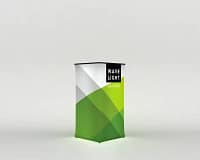
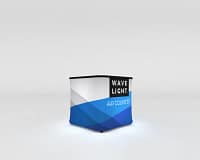
Rigid kits are often locked to a single footprint, making them hard to repurpose as your program shifts from expos to shopping centre activations. Fabric-based modular trade show backdrops and branded display wall systems can be reconfigured, extended or combined with counters and towers. This adaptability supports portable trade show banners and high-quality event signage tailored to different floorplans and audience flows.
- Reduce freight, labour and storage costs across your full event calendar.
- Improve speed to market with displays that set up in minutes.
- Maintain consistent branding from trade shows to retail environments.
- Refresh campaigns quickly with interchangeable fabric skins.
- Support ESG goals with lighter, more sustainable display materials.
If you’re planning your next Australian exhibition or roadshow and want a more agile stand solution, now is the time to reassess your hardware. Speak with a display specialist today about Waveline Media Banners and discover how a modern fabric system can streamline logistics, sharpen your presence and generate more qualified leads from every event.