Australian marketers are weighing up WaveLight® LED Lightboxes vs. Traditional Signage: Key Differences to decide which option genuinely delivers better visibility and value. In busy centres and event halls, it can be hard to know whether to stick with familiar printed panels or move to modern illuminated display solutions. Understanding how each system works, what it costs over time, and how it represents your brand is essential for making a confident, low‑risk decision.
Understanding the shift from traditional signage
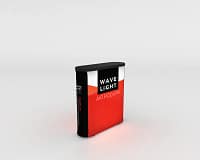
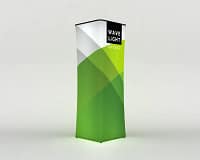
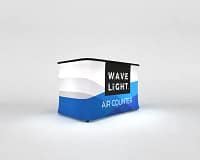
Across Australia, retailers and exhibitors are moving from static boards to high-impact branded lightboxes that stay bright and clear in any lighting conditions. Traditional signs rely on overhead or spot lighting, which can cast shadows and dull colours. In contrast, a WaveLight® LED Lightbox uses integrated LEDs to deliver even, edge‑to‑edge illumination that keeps your message legible from multiple angles. This consistency helps audiences process your branding quickly, boosting recall and supporting a more professional, trustworthy presentation.
Illuminated signage helps time-poor shoppers notice and remember your brand faster, turning fleeting glances into real engagement.
Visibility, consistency and brand impact
In crowded environments, reliable visibility is a major trust factor. When your graphics are evenly lit, colours accurate and text crystal clear, customers subconsciously read your brand as organised and detail‑driven. LED retail lightbox signage is engineered so the light sits behind the fabric graphic rather than in front of it, reducing glare and hot spots. This technical design helps your campaigns look exactly as intended, whether you are running backlit trade show displays, in‑store promotions or long‑term branding walls.
Costs, efficiency and sustainability over time
Upfront, traditional signage can seem cheaper, but it often hides ongoing costs such as separate light fittings, higher power use and frequent reprints. Modern reusable lightbox display systems use LEDs rated for tens of thousands of hours, reducing replacement and labour. Many Australian businesses also value energy-efficient exhibition lighting that aligns with sustainability targets and centre guidelines. By choosing fabric graphics printed with low‑VOC inks and long‑life LEDs, you demonstrate environmental responsibility while keeping operating expenses predictable.
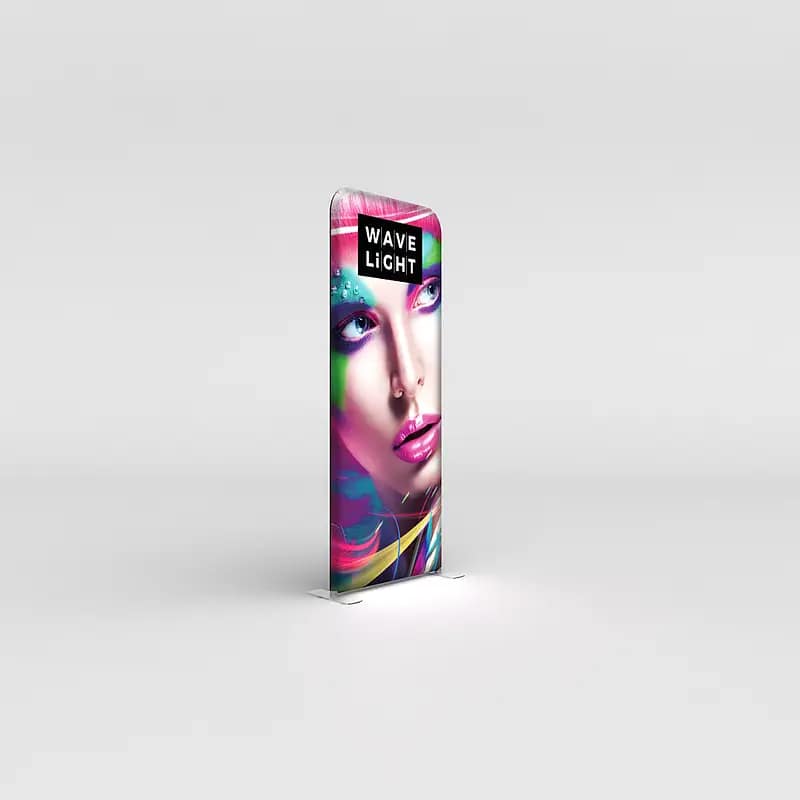
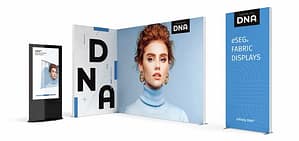
Flexibility is another area where lightboxes help reduce uncertainty. With SEG fabric lightbox graphics, you can update campaigns by simply swapping the fabric skin while retaining the frame and LEDs. This supports custom lightbox designs, seasonal messaging and modular custom lightbox frames that can adapt to different store layouts or events. Many Australian brands pair portable advertising signs at the entrance with larger portable illuminated trade show stands inside, creating a cohesive and consistent customer journey.
When comparing WaveLight® LED Lightboxes vs. traditional signage, focus on how each option will perform across multiple campaigns, not just the first installation. Ask about frame construction, fabric quality, print resolution, fire ratings and warranty coverage so you know exactly what you are investing in. A reputable provider will explain how their illuminated systems are packed, transported and assembled, and how they support you with training or setup guides. To explore practical options with expert guidance, speak with the team today and review which solution best matches your brand, budget and long‑term marketing goals.