WaveLine® Monolith Banners vs. Traditional Displays: Which Is Better?
In a tightening Australian events market, display systems are no longer a cosmetic choice; they are a strategic lever for cost control, agility and brand consistency.
WaveLine® Monolith Banners and the shift in event economics
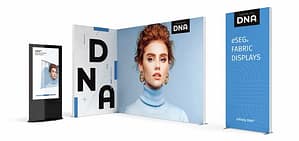
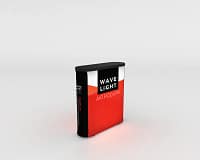
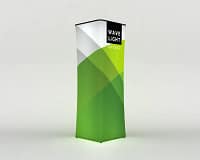
WaveLine® Monolith Banners are gaining traction because they align with how Australian marketers now plan event portfolios. Lightweight aluminium frames and tensioned fabric graphics reduce freight, labour and storage, which is critical for teams rotating between Sydney, Melbourne, Brisbane and regional shows. For brands managing national roadshows, these systems act like an asset base that can be re-skinned quickly, supporting custom fabric displays without constant capital outlay. The result is a lower total cost of ownership and faster deployment, without sacrificing visual impact.
Why fabric-led systems outperform many “traditional” builds
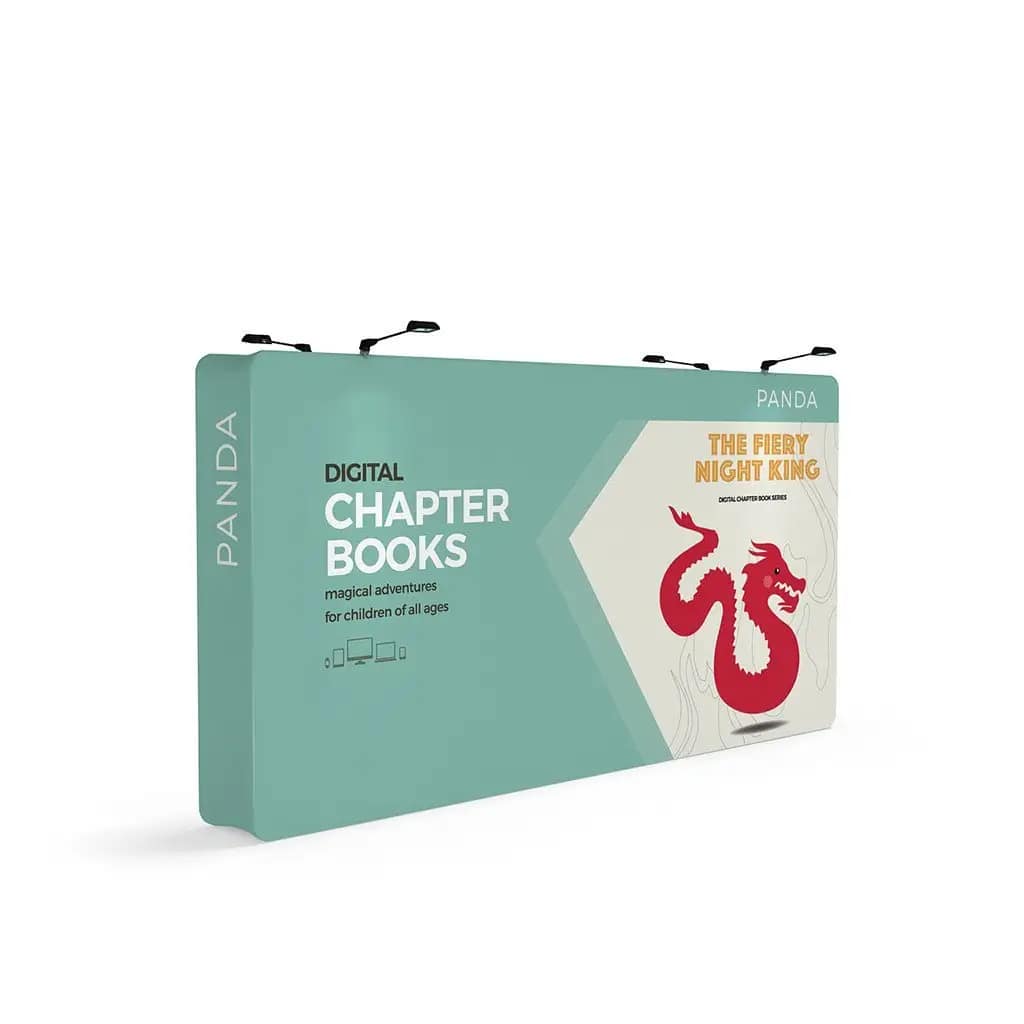
Fabric absorbs venue lighting, delivering richer colour and fewer glare issues than rigid panels, which is vital for portable exhibition signage competing on busy exhibition floors. Double-sided printing allows marketers to run different messages for trade, consumer and partner events using the same structure. Compared with heavy modular builds, fabric monoliths support faster bump-in and bump-out, often reducing contractor overtime at venues such as ICC Sydney and MCEC. This efficiency frees budget for content, demos and measurement instead of pure infrastructure spend.
Strategic trade-offs: when traditional still makes sense
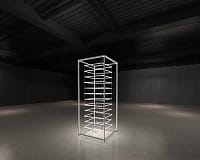
Traditional builds still earn their place when the stand functions as a showroom with heavy product, integrated AV or complex hospitality areas. In those scenarios, modular lightbox display systems, reusable illuminated display frames and structural carpentry can deliver a premium architectural feel. However, these come with higher freight, storage and refit costs over multiple years. A hybrid approach is emerging as best practice: using fabric monoliths as the core canvas, then adding counters, demo pods and slim profile led signage only where it creates clear commercial value.
Forward-looking exhibitors now view Waveline Monolith Banners as part of a broader media and asset strategy, not just a one-off purchase. They combine portable backlit exhibition displays, illuminated fabric banner stands and branded event backdrop displays to create scalable “kits” tailored to each show’s footprint and audience. This mindset supports sustainability goals by minimising waste and aligns with growing scrutiny on outdoor advertising solutions and event emissions. To choose the right mix, audit your 12–24 month calendar, freight spend and brand objectives, then model scenarios for each display type.
If you’re ready to rethink how your organisation shows up across Australia’s event circuit, start by reviewing your current stand assets, refresh cycles and logistics costs, then speak with a specialist about reconfigurable seg fabric banner solutions that can evolve with your program.