Transporting Waveline Media Banners: Easy Solutions Explained
Transporting Waveline Media Banners has become a strategic concern for Australian marketers moving between exhibitions, conferences, and roadshows. As budgets tighten and teams shrink, the way you move displays can either protect ROI or quietly erode it through damage, delays, and staff fatigue. Modern tension-fabric systems were designed for agility, but without a clear logistics framework, their potential is wasted. Treating transport as part of brand management—not just an operational chore—separates efficient national campaigns from stressful, last-minute scrambles.
In today’s exhibition circuit, your display is only as effective as your ability to move it safely, predictably, and with minimal friction for your team.
Why Transport Strategy Matters in Australia’s Events Market
Australia’s events landscape is geographically dispersed, with brands routinely hopping between Sydney, Melbourne, Brisbane, and regional hubs. This makes travel-friendly display solutions critical, especially when sales or marketing staff are carrying the gear themselves. The shift towards lightweight fabric trade show displays and portable tension fabric backdrops has reduced freight costs, but introduced new risks around improper packing, airline handling, and venue loading dock constraints. Smart teams now design logistics playbooks alongside creative briefs, ensuring both visuals and movement are planned together.
From Heavy Crates to Modular Thinking
Historically, marketers defaulted to single large crates, assuming bigger meant simpler. In practice, splitting hardware into multiple lighter cases enables safer manual handling, clearer labelling, and easier routing via airlines or local couriers. This modular mindset also aligns with custom fabric displays and modular event display systems, where components can be recombined for different footprints without complex builds. Strategically, you are designing not just a stand, but a mobile kit that can flex across venues, stand sizes, and campaign phases.
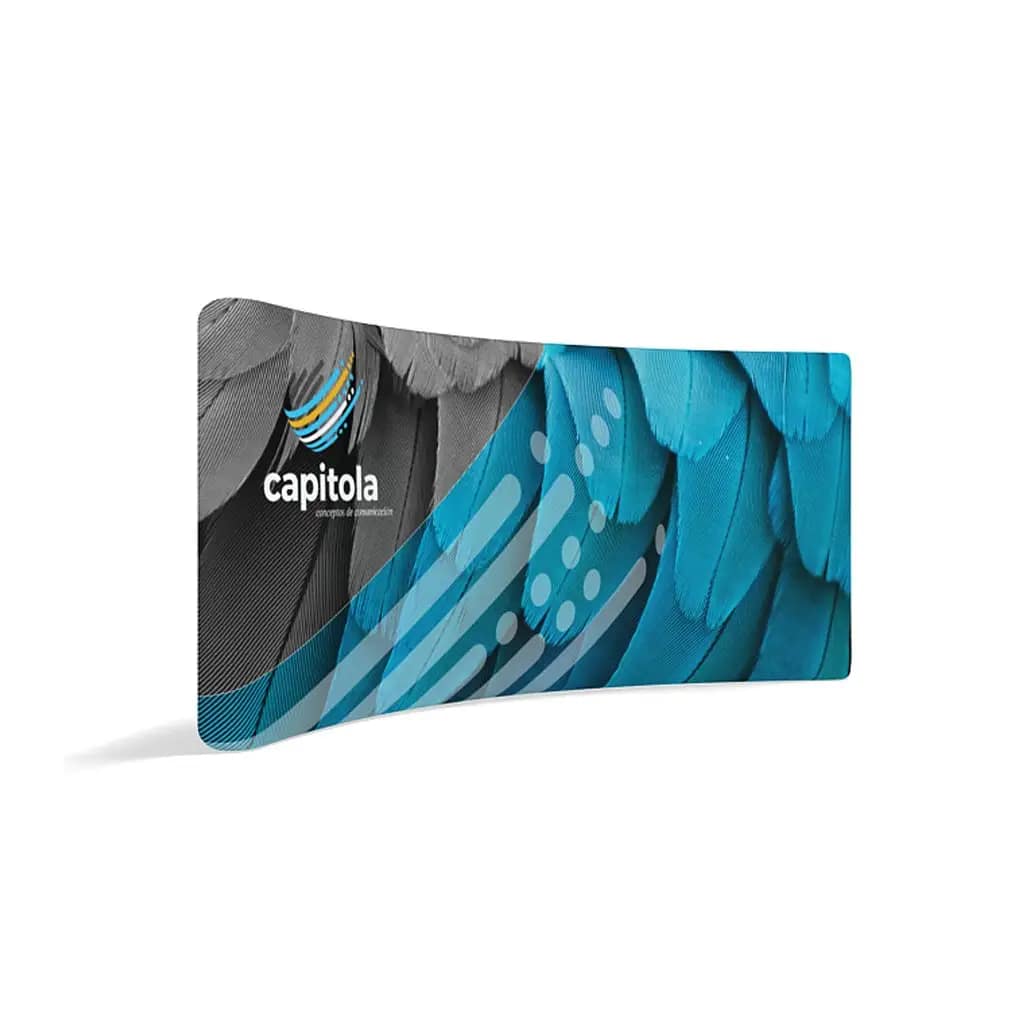
Practical Transport Tactics for Event Leaders
On the ground, best practice starts with disciplined packing protocols. Fabric graphics should be rolled and stored in dust-free sleeves, protecting high-quality event signage from creasing and contamination. Frames belong in padded or moulded cases with internal dividers, helping maintain durable branded display walls over multiple tours. Where possible, avoid routing directly dock-to-dock between venues unless receiving arrangements are watertight. Many Australian organisers now retain custody between shows, using small vehicles to move compact trade show booth signage and reusable fabric banner stands themselves.
From a governance perspective, treat your display assets like a travelling investment portfolio. Document case contents, weights, and photos, and align event calendars with freight lead times and blackout periods at convention centres. Incorporate easy-transport exhibition graphics into procurement briefs so new assets are designed with mobility in mind, not retrofitted later. Finally, audit how your team moves portable trade show banners today, and identify one upcoming campaign where refining the transport model could materially reduce cost, risk, or staff effort.
To move from ad hoc decisions to deliberate strategy, create a simple standard operating procedure for logistics covering roles, timelines, and escalation points. Build in checkpoints for assessing new lightweight fabric trade show displays and portable tension fabric backdrops, ensuring every purchase supports long-term agility. As your program scales, these practices turn Waveline Media Banners into a reliable, national-ready platform rather than a fragile cost centre. Review your current event logistics plan this week and, if needed, engage an experienced exhibition logistics partner to stress-test your approach before the next major show.