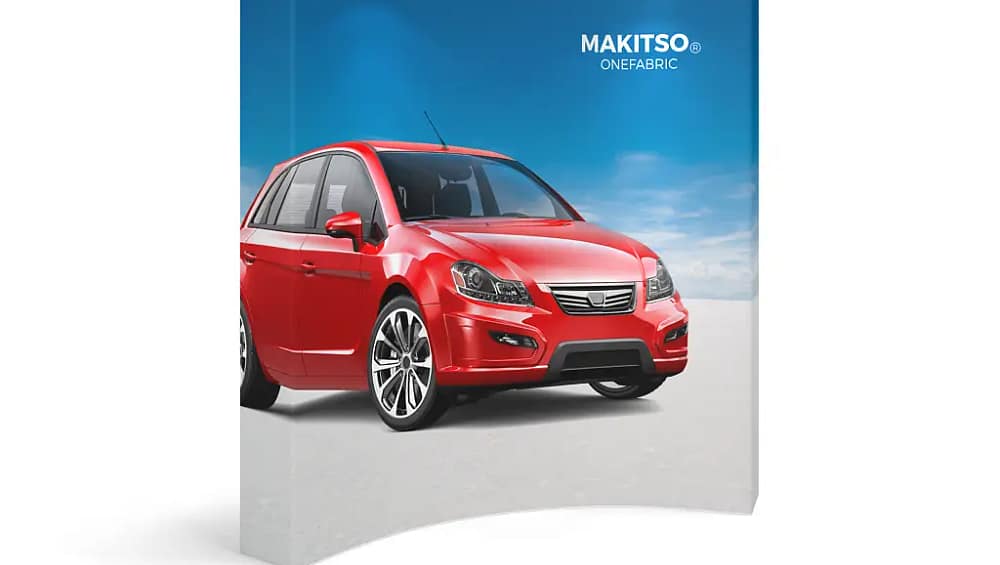
The logistics behind the ultimate guide to transporting OneFabric Pop-Up Banners is no longer a back-of-house concern; it is a frontline brand decision. For Australian marketers juggling tight event calendars, these portable advertising solutions only deliver full value when the journey from warehouse to show floor is controlled, measured, and continuously improved.
Treat logistics as part of your brand system, not an operational afterthought. What happens in transit shows up in your visuals – and in your budget.
The strategic role of transport in fabric display performance
In a market where trade show and field budgets are under scrutiny, the way you move custom fabric displays directly affects campaign ROI. Creased graphics, bent frames, or missing components are not just aesthetic issues; they compromise audience trust and sales conversations. Forward-looking Australian brands now build transport policies into their broader event marketing tools strategy, with defined ownership, risk thresholds, and performance metrics.
Designing a logistics blueprint for Australian event circuits
Australia’s dispersed geography means displays regularly travel between capital cities and regional hubs. High-performing teams map custody from dispatch to pack-down, defining who inspects, signs off, and reports exceptions at every stage. This blueprint often includes standardised checklists for compact exhibition display kits, photo documentation, and condition logs that feed directly into asset management systems. The aim is simple: turn every trip into usable data on asset health and lifetime value.
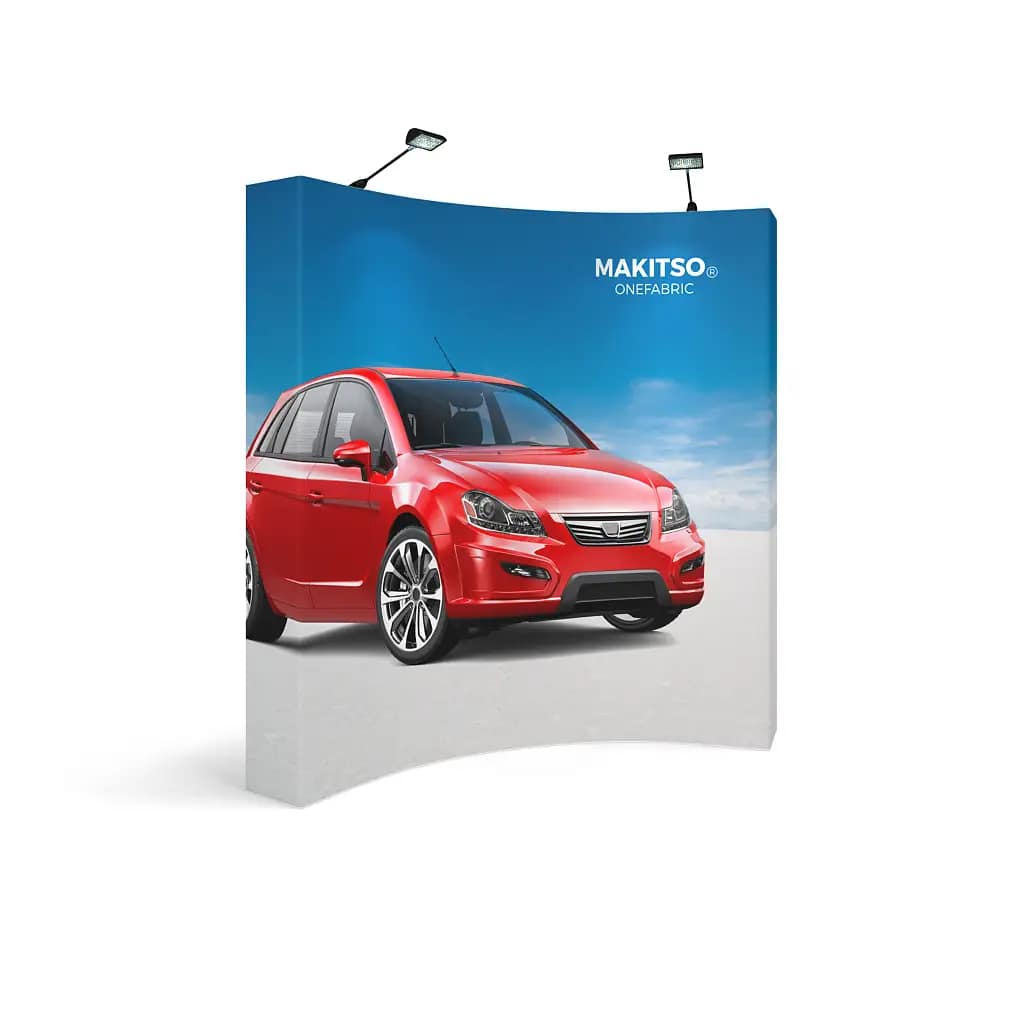
Packing discipline as a competitive advantage
Thoughtful packing is becoming a quiet differentiator. Teams that standardise how they roll and sleeve graphics, isolate hardware, and allocate cases for lightweight fabric banner stands see fewer failures on site. Investing in ATA-rated hard-shell cases for portable fabric pop up displays used on high-frequency routes reduces emergency reprints and last-minute hire costs. Critically, organisations document these methods, training internal users and agencies so quality is not dependent on one experienced coordinator.
Airlines, couriers, and on-ground contractors each introduce distinct risks to collapsible trade show backdrops and branded portable display walls. Leading marketers build carrier matrices that weigh reliability, damage history, and claims responsiveness alongside price. They label and photograph every packed kit before handover, ensuring a clear evidentiary trail if issues arise. Over time, this data supports smarter procurement choices, from preferred freight partners to case specifications for tension fabric trade show walls.
Looking ahead, reusable event display systems will only realise their sustainability and cost benefits if logistics keep pace. Auditing how you move and store OneFabric Pop-Up Banners alongside other tool free pop up signage helps extend asset lifecycles and sharpen budget planning. The next step is to review your current display logistics, close the gaps in responsibility and packing standards, and align internal teams so your displays arrive launch-ready at every event.
To deepen your approach, bring your events, brand, and operations leaders together to stress-test your logistics strategy for the next 12 months. Clarify who owns asset integrity, what “good” looks like for transport performance, and where smarter cases or processes can unlock value. Then pilot these improvements on your next campaign and build a repeatable, data-led framework for moving displays across Australia.
If you are ready to elevate how your organisation transports and protects its display assets, start by auditing a single campaign from end to end and seek expert guidance on where upgrades will generate the greatest long-term payback.