What Are WaveLight® LED Lightboxes Made Of? A Detailed Guide
Understanding what goes into a WaveLight® LED Lightbox helps Australian marketers choose illuminated display solutions that genuinely stand out. Each unit is engineered from a precise mix of lightweight structural materials and premium printed textiles, optimised for brightness, durability, and ease of transport. The combination of aluminium framing, internal LED arrays, and silicone edge fabric graphics delivers a consistently even glow. For brands investing in exhibitions, retail fit-outs, and conferences, these construction choices directly affect visual impact, long-term reliability, and setup efficiency across demanding event schedules.
Understanding WaveLight® LED Lightbox construction
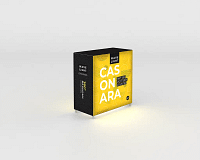
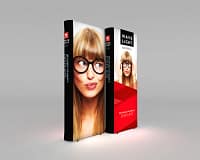
At the core of the design is a robust yet portable framework that houses high-output LEDs behind carefully tensioned fabric graphics. This structure is engineered so each component locks together cleanly, maintaining a square, professional finish even after repeated assemblies. By balancing structural strength with low weight, the system suits teams who frequently move between venues using portable advertising signs and compact storage. The result is a premium, evenly backlit surface that keeps brand colours and detail crisp under a wide range of indoor lighting conditions.
Primary materials in a WaveLight® LED Lightbox
The most visible difference compared with basic lightboxes is the use of premium aluminium lightbox frames rather than heavier steel or brittle plastic. High-grade aluminium delivers rigidity, corrosion resistance, and compliance with strict exhibition safety standards without adding unnecessary bulk. This matters when freight costs and manual handling are key concerns for national campaigns. Paired with tightly tensioned seg fabric lightbox graphics, the frame allows edge-to-edge visuals with minimal exposed hardware, supporting sophisticated, gallery-like presentations in retail spaces and corporate environments.
Graphics, printing, and visual performance
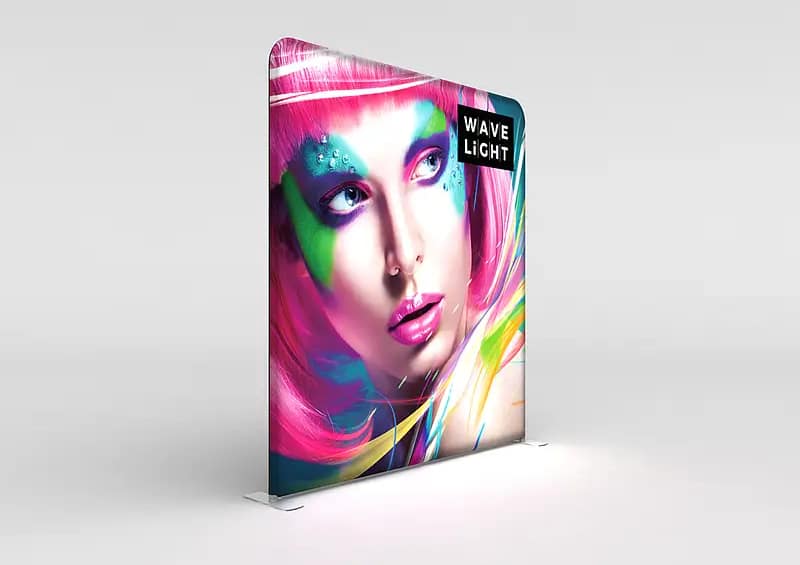
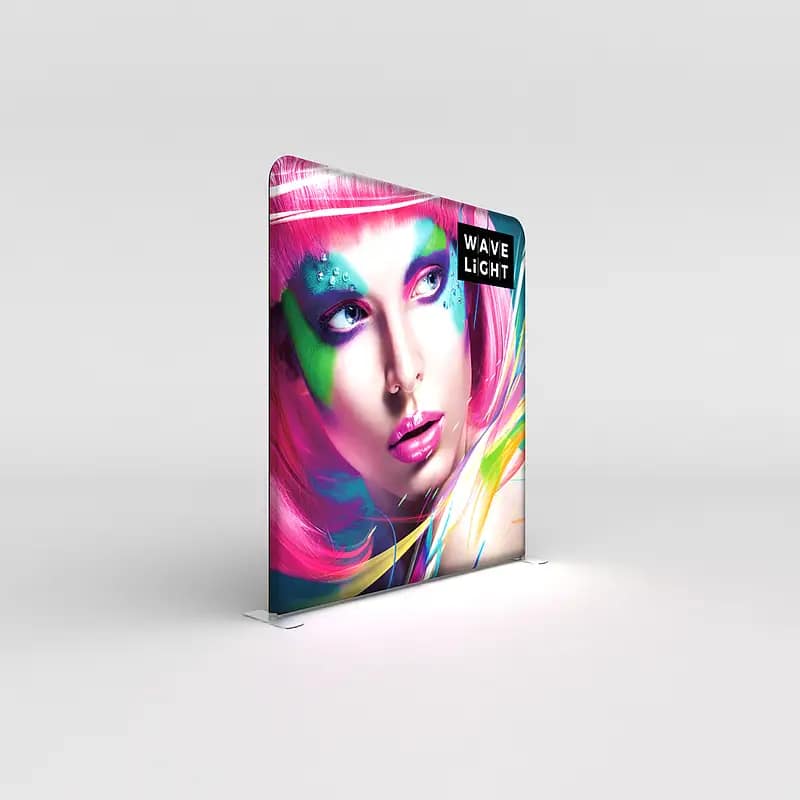
The fabric graphics typically use polyester printed via dye sublimation, where inks are heat-infused into the fibres rather than sitting on the surface. This technique produces deep saturation and fine detail that remain vivid when used in backlit trade show displays and custom lightbox designs. Because the material has excellent crease recovery and is often machine washable, brands can re-use graphics across multiple events without visible degradation. The ability to swap skins easily also supports modular led lightbox systems that adapt to changing campaigns.
Technology and components that enhance value
Internally, carefully spaced LEDs and diffusion elements ensure consistent illumination without hotspots, supporting energy efficient signage solutions that lower operating costs over time. Connectors, stabilising feet, and cases are designed for fast, mostly tool-free setup, allowing marketing teams to manage installations directly. This construction approach makes these reusable exhibition lightboxes well suited to busy Australian events calendars, where reliability and speed are critical. When paired with customisable retail lightbox displays, brands achieve portable illuminated branding that looks premium in every location.
For organisations comparing portable systems, the material and engineering quality behind each WaveLight® LED Lightbox can significantly influence total lifecycle cost and brand consistency. Superior construction means fewer replacements, lower power usage, and the flexibility to update visuals while retaining the same frame. If you are evaluating illuminated options for your next campaign, speak with our team to assess which illuminated display solutions will best support your objectives and give you the confidence to present your brand at its brightest.