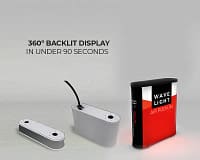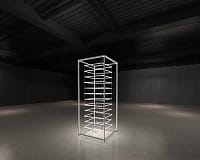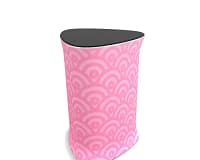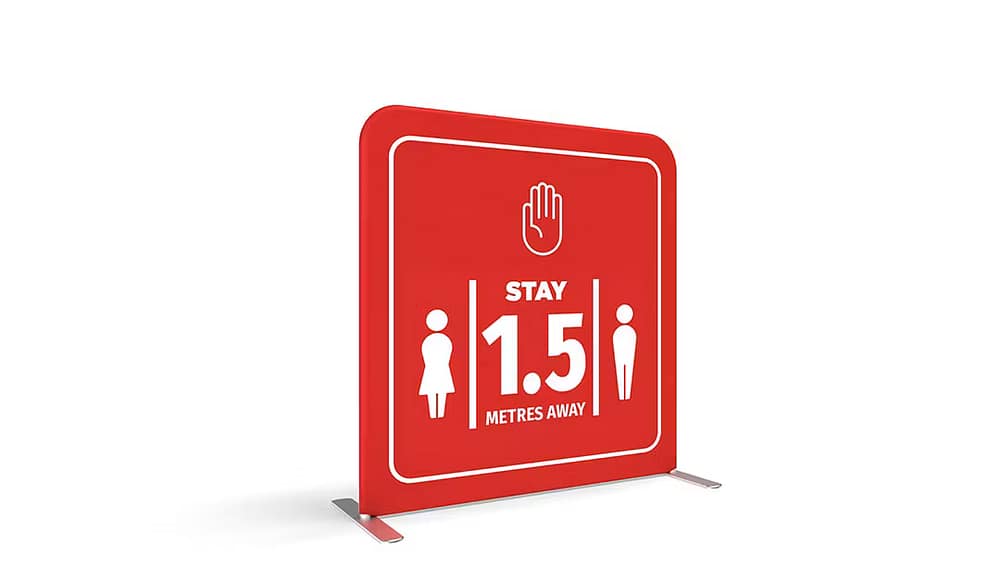
Trade shows, exhibitions, and conferences across Australia often attract large crowds, making organisation and crowd management an important part of event planning. Whether the event is held at major venues such as ICC Sydney, the Melbourne Convention and Exhibition Centre, or a regional expo hall, organisers must ensure visitors can move through spaces safely and efficiently. This is where WaveLine® Control Barriers become extremely useful. These barriers are designed to guide visitor movement, organise queues, and clearly define spaces while also offering a professional branding surface.
The Key Components of WaveLine® Control Barriers
Before assembling the barrier, it helps to understand the main parts that make up the display.
WaveLine® Control Barriers typically include:
-
Lightweight aluminium frame tubing
-
Tension fabric graphic cover
-
Stable base supports
-
Connector systems for frame assembly
Each component plays an important role in creating a barrier that is both stable and visually appealing.
The aluminium frame forms the internal structure, while the tension fabric graphic provides the external visual display. Base supports keep the barrier standing securely even in busy event environments where there is constant foot traffic.
Step One: Building the Aluminium Frame
The assembly process begins with the aluminium frame.
WaveLine® systems use precision engineered aluminium tubes that connect together easily. These tubes are designed to snap or push into place, forming the internal skeleton of the barrier.
To assemble the frame:
-
Lay the aluminium tube sections on a flat surface.
-
Match the corresponding pieces together according to their shape or labels.
-
Push the tubes together until they securely connect.
Because the frame uses a tool free connection system, the structure can be assembled quickly even by someone who has never used the product before.
Once completed, the frame forms the basic structure that supports the graphic and stabilising components.
Step Two: Installing the Base Supports
After the frame is assembled, the next step is attaching the base supports.
The base supports provide stability and allow the barrier to stand upright. These bases are designed to distribute weight evenly so the barrier remains balanced even when placed in busy areas.
To attach the bases:
-
Align the base with the mounting point at the bottom of the frame
-
Secure it using the built in connectors or fittings
-
Ensure both sides are properly aligned for stability
Once installed, the barrier frame can stand upright independently, ready for the next stage of assembly.
Step Three: Sliding on the Fabric Graphic
With the frame and base supports installed, the next step is adding the fabric graphic.
WaveLine® Control Barriers use stretch tension fabric graphics that slide over the frame like a sleeve. This design creates a smooth and professional appearance without wrinkles.
To install the graphic:
-
Slide the fabric graphic over the top of the assembled frame.
-
Adjust the fabric so the printed design sits evenly across the barrier.
-
Secure the bottom using the zipper or fastening system.
Once zipped, the fabric stretches tightly across the frame, producing a clean display surface that looks polished and professional.
Creating a Professional Barrier Display
Once the assembly is complete, the barrier is ready for use within the event environment.
WaveLine® Control Barriers are commonly used in:
-
Queue management areas
-
Registration and check in counters
-
Entrance or exit points
-
Product launch areas
-
Restricted access zones
The barriers help guide visitor movement while maintaining a structured and organised event layout.
For exhibitions and conferences across Australia, this type of clear visual guidance improves visitor experience and helps reduce congestion in busy areas.
Adding Branding to Functional Equipment
Another major advantage of WaveLine® Control Barriers is their ability to double as marketing displays.
Instead of using plain crowd control equipment, the fabric graphics allow organisers and exhibitors to display:
-
Company logos
-
Event branding
-
Sponsor messages
-
Promotional graphics
-
Directional information
This transforms the barrier into a functional advertising surface that supports both event organisation and brand visibility.
Conclusion
WaveLine® Control Barriers combine efficient crowd management with professional branding opportunities. Their lightweight aluminium frames, simple snap together construction, and tension fabric graphics make the assembly process quick and easy.
From connecting the frame to installing the fabric graphic, the setup process is designed to minimise effort while delivering a polished final result.
For Australian trade shows, exhibitions, and large events where setup time is often limited, this streamlined assembly process makes WaveLine® Control Barriers a practical and reliable solution. They help organisers maintain order, improve visitor flow, and enhance event branding all at the same time.