Why Durability Is Important for Event Displays
Event environments can be demanding. Indoor exhibitions often involve large crowds and continuous movement around display areas. Outdoor promotions introduce additional challenges such as wind, sun exposure, and uneven ground surfaces.
Durable materials allow Flag Stands to maintain their structure and appearance throughout these conditions. A strong display ensures that graphics remain visible, the frame stays upright, and the overall presentation continues to look professional.
Because many businesses participate in multiple events each year, durability also supports long term reuse. A well-built display can travel from one event to another without losing performance.
Lightweight Aluminium Poles for Strength and Portability
One of the most important materials used in Flag Stands is aluminium. Aluminium poles form the main structure of the display and provide the height that allows the flag graphic to stand out above crowds.
Aluminium is widely used in exhibition displays because it offers a strong yet lightweight structure. This combination allows the poles to support tall banners without becoming difficult to transport.
Another advantage of aluminium is its resistance to corrosion. This makes it suitable for outdoor environments where exposure to moisture or weather conditions may occur. Exhibitors can confidently use the same display at indoor trade shows or outdoor marketing events.
Fiberglass Components for Flexibility
Many Flag Stands also include fiberglass elements within the pole system. Fiberglass is valued for its flexibility and durability.
This material allows the pole to bend slightly in response to wind while maintaining the shape of the flag. Instead of resisting movement, the structure adapts to airflow. This flexibility helps prevent damage and extends the lifespan of the display.
Fiberglass also keeps the overall weight of the system low, which contributes to easy transport and quick installation.
High Quality Fabric Graphics
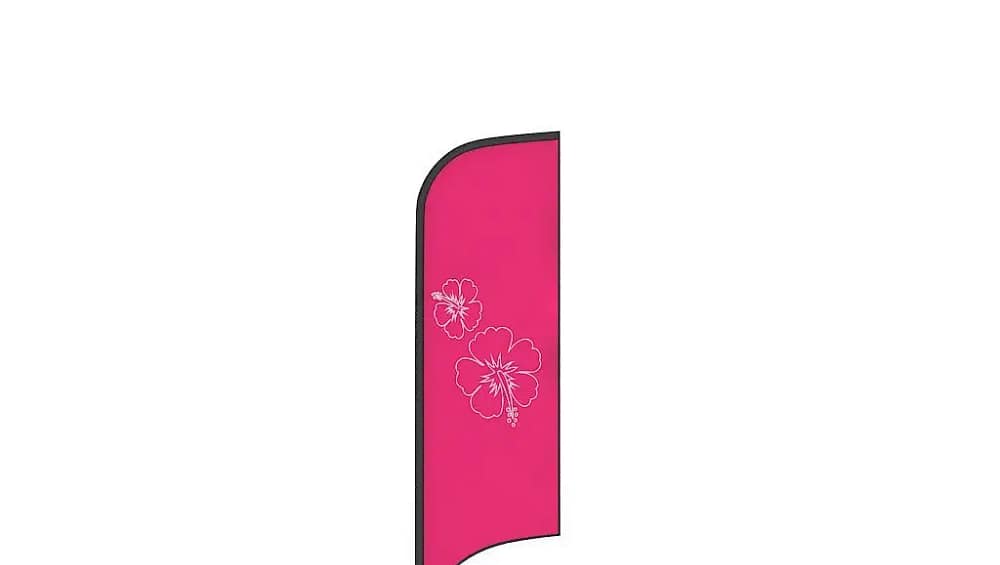
The visual impact of Flag Stands comes from the printed fabric graphic. These graphics are typically produced using durable polyester or knitted fabric materials.
These fabrics are chosen because they provide excellent colour reproduction and clarity when printed. The material allows branding, logos, and promotional messages to appear vibrant and highly visible from a distance.
Fabric graphics also perform well in outdoor environments because they allow air to pass through the material. This helps reduce resistance to wind while maintaining a smooth and professional appearance.
Another benefit is that fabric banners are easy to replace. Businesses can update their branding or promotional messaging without replacing the entire display structure.
Stable Base Materials for Different Environments
The base of a Flag Stand plays an important role in overall durability and stability. Several base materials are used depending on the environment where the display will be installed.
Indoor events commonly use metal bases or cross bases made from steel. These materials provide the weight needed to keep the flag upright while remaining compact and portable.
Outdoor environments often require heavier support. Ground spikes made from strong metal are ideal for grass surfaces, while water-fill bases provide additional stability for windy conditions.
These different base options allow Flag Stands to perform reliably across a wide range of event settings.
Connectors and Tension Elements
Small components such as connectors and tension cords also contribute to the durability of Flag Stands.
Pole connectors are typically made from reinforced plastic or metal to ensure a secure fit between segments. These connectors allow the pole to remain stable even when fully extended.
Tension cords or clips help stretch the fabric graphic into shape. This prevents sagging and ensures the banner maintains a clean and professional appearance during the event.
Although these components are small, they play a crucial role in maintaining the structure and presentation of the display.
Designed for Repeated Use
Because Flag Stands are made with durable materials, they are designed for repeated use across multiple events. Exhibitors can easily dismantle the system, pack the components into a carry bag, and transport them to the next venue.
This reusability makes them a cost effective investment for businesses that regularly participate in exhibitions and promotional activities. Instead of purchasing new displays for every event, companies can rely on the same structure while simply updating the printed graphics when needed.
Conclusion
Flag Stands are more than just visually appealing banners. They are carefully designed display systems built from materials that support durability, portability, and long term performance.
From lightweight aluminium poles and flexible fiberglass components to high quality fabric graphics and stable metal bases, each material plays a role in creating a reliable event display. These features allow businesses to use Flag Stands confidently in both indoor exhibitions and outdoor promotional environments.