Lightweight and Compact: Transporting Hanging Banners Made Simple
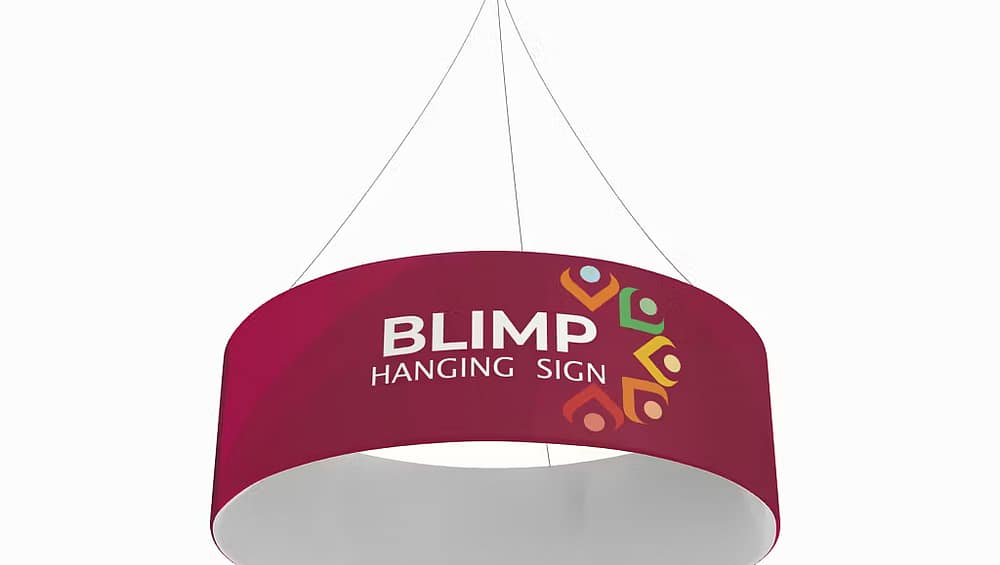
Hanging banners are the easiest way to increase visibility at events while keeping floor space open for demonstrations and meetings. They lift your brand above the crowd, and because they use overhead space, they help preserve booth flow and sightlines. In this guide, you will learn how the category of hanging banners simplifies transportation, setup, and long-term use, while also discovering practical tips for logistics and on-site handling.
General Information About Hanging Banners
Hanging banners come in a variety of sizes and attachment systems, and therefore they suit indoor exhibits, retail installations, and large-scale conferences. Moreover, because most systems are knock-down or modular, they fit into compact cases for travel. Consequently, these banners are an ideal choice when weight limits and storage space matter.
Product Highlights and Category Advantages
Features that make hanging banners a top category choice include lightweight frames, wrinkle-resistant graphics, and quick-connect hardware. In addition, many banners use flame-certified materials, which streamlines venue approvals. As a result, you get a combination of visual impact and compliance without heavy equipment.
Design Features for Maximum Visibility
Design directly affects readability. Therefore, choose large type, short messages, and high contrast so your message can be read from a distance. Also, allow adequate bleed and safe margins when exporting artwork, and test contrast on a distant monitor to ensure legibility in crowded halls. These steps reduce reprints and save time at the venue.
Material Quality and Print Considerations
Material choices influence durability and packability. For example, tension fabrics fold flat and reduce dimensional weight, whereas vinyl offers longer life for repeated indoor use. Additionally, consider dye-sublimation printing for vibrant color and softer hand, while laminated finishes improve scratch resistance. Ultimately, selecting the right material balances appearance and transport efficiency.
Components, Cases, and Protection
Padded, wheeled cases keep components organized and reduce handling strain, and furthermore they speed loading and unloading. In addition, clear labeling and a simple packing list prevent staging delays and speed inbound checks. For multiple-event use, invest in rugged foam inserts so hardware and cables stay protected during transit.
Courier vs Freight: Shipping Strategies
Shipping decisions affect both cost and timing. For instance, knock-down frames and folded graphics reduce dimensional weight, thereby lowering courier fees. Conversely, consolidated freight can be more economical for multiple items going to the same event, so compare rates before booking. Also, keep fire-retardant certificates ready for inspections and rigging sign-off to avoid last-minute issues at the venue.
On-Site Prep, Setup Process, and Time Savings
At the venue, pre-attach cables and hardware where permitted, and coordinate lift access so installations stay on schedule. Moreover, book early rigging slots and review site rules with the rigging team to prevent delays. With practice and consistent packing lists, setup becomes a predictable, fast process that minimizes labor costs and stress.
Use Cases and Creative Installations
Hanging banners work across trade shows, pop-up retail, lobby branding, and festival signage. They also pair well with floor graphics and modular booths to create layered visual experiences. In addition, multiple suspended banners can establish sightlines or designate zones, which helps direct traffic and highlight key products.
Next step: Explore our full range of Hanging Banners.
Conclusion: Why Choose Hanging Banners
In summary, hanging banners offer high visual impact with low transport burden. They save floor space, simplify logistics, and speed on-site assembly, and therefore they are a practical choice for teams who travel frequently. Finally, by selecting the right materials, protective cases, and shipping methods, you reduce costs and keep your graphics looking their best event after event.