How Hanging Banners Are Built: From Frame to Fabric
Hanging banners lift visibility and simplify floor plans, so attendees find your stand sooner and you keep space open for demos and meetings. In this guide, you will learn how hanging banners are made, what materials and systems work best, and how to choose the right combination for events, retail spaces, and large venues. By the end, you will understand design choices, installation steps, and creative ways to combine multiple banner products for maximum impact.
General information: What belongs in the hanging banner category
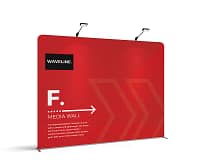
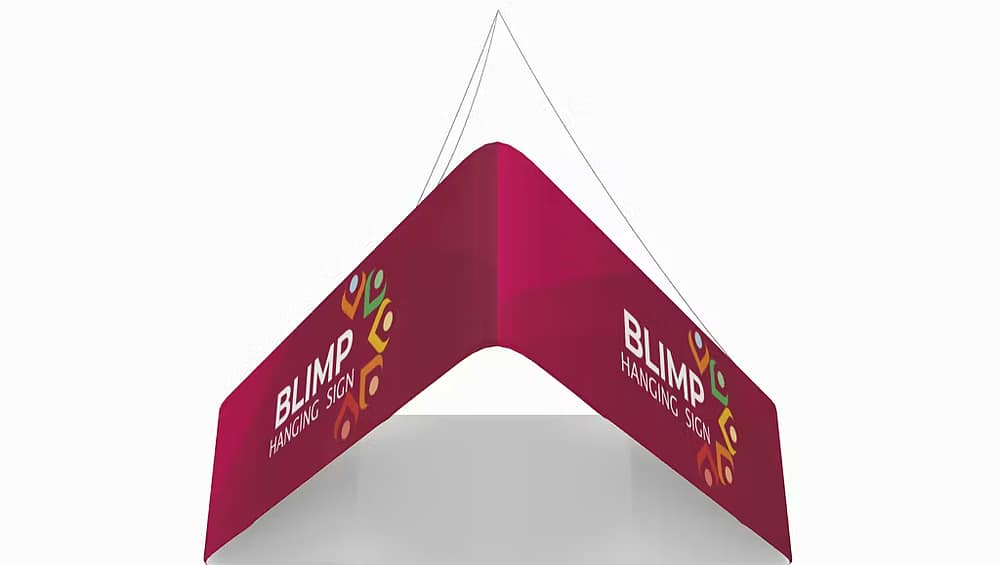
Hanging banners include overhead fabric signs, framed textile graphics, and modular banner systems that suspend from ceilings or truss. Typically, products use aircraft-grade aluminium for frames because it balances rigidity with portability. Meanwhile, stretch polyester or knitted textiles take dye well and reduce glare under event lighting. As a result, these products deliver saturated colour and readable imagery from a distance.
Specifications: Materials, sizes, and print methods
Most hanging banners are available in standard and custom sizes. Furthermore, common material choices include flame-retardant polyester, blockout backings for double-sided graphics, and reinforced edge sleeves for secure hanging. Print methods vary, but dye-sublimation on textile is popular because it gives rich colours and durable results. Additionally, certified rigging hardware and load-rated cables are part of the specification list you should check before ordering.
Product Highlights: Key features to evaluate
When comparing hanging banners, look for frame alloys, sleeve construction, and finishing details. For instance, reinforced corner tabs and heavy-duty zippers improve longevity, while labelled tube systems speed up assembly. Moreover, choose graphics with large typography, high contrast, and minimal copy, because these traits improve distance readability in busy environments.
Use cases: Trade shows and exhibition halls
Hanging banners are ideal for trade shows because they free floor space and increase visibility across aisles. In addition, tall banners help buyers locate booths from far away, which leads to higher foot traffic. For exhibition planners, lightweight frames and quick sleeves make installation efficient, and certified rigging accessories provide peace of mind for safety and compliance.
Use cases: Retail, airports, and event venues
Beyond trade shows, hanging banners work well in retail stores, airports, and large event halls. For example, retail stores can use tiered banners to direct customers toward promotions, while airports can display wayfinding and branding in high-ceiling concourses. Therefore, versatility in sizes and fabrics allows you to tailor the product to the environment and lighting conditions.
Creative uses of multiple products in the category
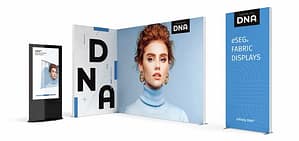
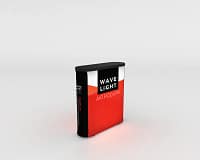
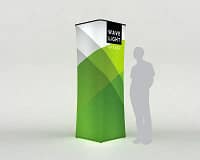
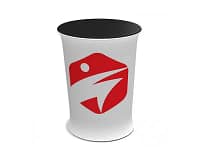
Combine hanging banners with pop-up backdrops, floor graphics, and branded kiosks to build layered visual hierarchies that guide traffic and reinforce messaging. Furthermore, using different shapes and heights draws the eye and creates zones within a large space. As a result, multi-product campaigns feel cohesive and professional, while remaining easy to install and dismantle.
Setup process, rigging rules, and maintenance
Assembly follows a straightforward workflow: connect labelled tubes, lock fittings, slide on the sleeve, close the zipper, and then attach certified cables. Although heavy tools are rarely needed, a driver helps for accessories. Meanwhile, keep fire-retardant certificates and rigging documentation ready for inspections. After the event, store sleeves folded in soft pouches, protect frame sections with foam, and bag all hardware for inventory. Consequently, routine care extends the life of the products and reduces replacement costs.
Where to explore hanging banner options
Next step: Explore our full range of Hanging Banners
Conclusion: Why choose hanging banners for your space
In summary, hanging banners offer a high-impact, space-saving solution for visibility in busy environments. They combine lightweight frames, vivid fabric graphics, and simple installation so you can create striking overhead branding. Therefore, whether you need directional signage in a venue or a signature hanging piece for a trade show booth, the category delivers durability, portability, and visual reach.