Updated: September 11, 2025
How Counters & Cases Are Built and Assembled for Events
Introduction
Counters and cases form the backbone of efficient event displays, and they deliver practical storage while reinforcing brand presence. Whether you manage trade shows, pop-ups, or retail activations, understanding how these products are built helps you choose the right solution. In addition, knowing common assembly methods speeds setup and reduces downtime, so your team can focus on engaging visitors.
General Information about Counters & Cases
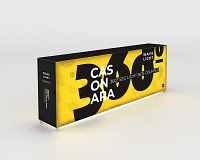
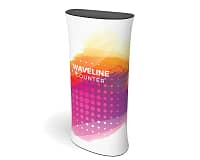
Exhibition counters and transport cases are designed to perform two roles at once: secure transit and polished presentation. First, cases protect graphics and components during shipping. Then, they convert into counters or podiums on-site, so you carry less gear. Moreover, modern ranges include modular sizes, optional graphic wraps, and compatible accessories that adapt to different booth footprints. Explore sizes, graphic options, and accessories for your next activation here: Counters & Cases.
Material Quality and Construction
Manufacturers typically combine sturdy frames with protective shells to balance weight and durability. For example, aluminium extrusions create rigid frames, while ABS plastic shells resist impact and abrasion. In addition, laminated graphics or stretch fabric wraps attach cleanly to frame profiles for a professional finish. As a result, you get a product that survives frequent setups while still looking premium to event attendees.
Design Features and Branding
Design choices directly affect brand perception, so select finishes and graphic options that match your visual identity. For instance, seamless fabric wraps produce clean edges, whereas laminated panels offer gloss or matte textures. Also, integrated tablet mounts, literature racks, and storage compartments enhance functionality. Therefore, thoughtful design makes counters both a communications tool and an operational asset.
Portability and Cases as Counters
Portability guides many design decisions, and therefore cases include wheels, reinforced corners, and compact footprints. Many cases unfold into counters by adding a simple tabletop and attaching the graphics. Consequently, you save on freight and reduce the number of items to transport. In addition, labeled compartments and removable inserts make packing more efficient, which helps prevent delays during load-in and load-out.
Assembly and Setup Process
Setup is fast when systems use magnetic locks, snap-fit panels, or stretch fabric that slips over frames. First, identify the tabletop and secure it with the provided fasteners. Next, attach the graphic wrap so it aligns with the frame. Finally, add accessories such as shelves or lighting. Because the process is straightforward, teams can assemble counters in minutes and focus on merchandising.
Components and Accessories
- Extruded aluminium frames for structural support.
- ABS plastic shells for transit protection.
- Magnetic or snap connectors for fast assembly.
- Tabletops in laminate, wood, or acrylic finishes.
- Optional lighting, tablet mounts, and storage inserts.
Use Cases and Versatility
Counters and cases work across many event types, and they adapt to varied roles. For example, use them as welcome desks, demo stations, or product displays. Also, combine multiple counters to form islands or information hubs, and therefore create flexible traffic flow solutions. Because they double as transport cases, they reduce overall equipment needs and simplify logistics for mobile teams.
Conclusion
In short, counters and cases blend durability, portability, and branding so you can present consistently at every event. By choosing quality materials, prioritizing simple assembly, and selecting the right accessories, you improve setup speed and visitor experience. Finally, invest in versatile counters and cases to cut freight, speed transitions, and make every activation look professional.