Updated: September 11, 2025
Comparing Sizes and Styles of Counters & Cases Displays
Introduction
Counters and cases are the backbone of an efficient trade show setup. They provide storage, branding surfaces, and an organizing point for your booth, and they improve visitor flow when positioned correctly. Therefore, understanding the range of sizes and styles helps you choose the right combination for every event. Below you will find practical guidance to match your exhibit goals, budget, and logistics.
Product Variations
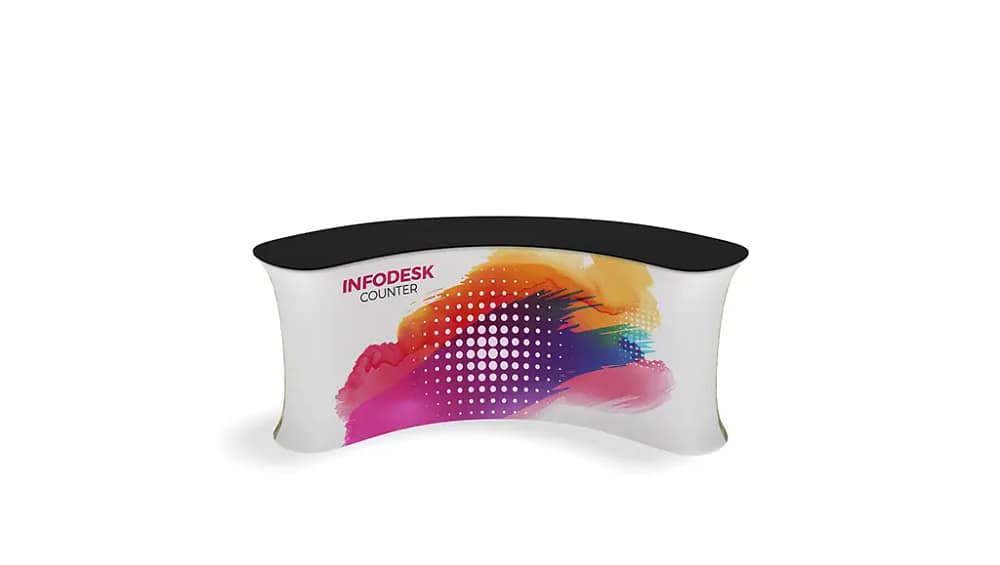
Counters and cases come in several core styles, and each style serves different needs. For example, hard shipping cases protect graphics during transit, while demo counters create a welcoming interaction zone. Moreover, foldable podiums add flexibility for smaller footprints, and custom-printed wrap options let you maintain consistent branding.
To explore available models and select the right fit for your setup, visit Counters & Cases.
Size, Storage, and Configuration Options
Size matters because it affects both functionality and compliance with event rules. Smaller counters are ideal for tight island spaces, while larger cases double as packing crates and work surfaces. Additionally, look for configurable storage like adjustable shelves and integrated cable routing, and verify external dimensions for freight and airline requirements. Consequently, choosing the correct size prevents last-minute surprises and reduces handling fees.
Material Quality and Graphic Finishes
Materials influence longevity and visual impact. For instance, ABS and aluminum cases withstand repeated travel and rough handling, and laminated graphics resist scuffs. Furthermore, high-resolution dye-sublimation wraps produce vibrant colors and better contrast under exhibition lighting. Therefore, prioritize finishes that maintain brand integrity while being easy to clean and repair between shows.
Portability and Transport Considerations
Portability is critical when teams travel frequently. Lightweight frames and quick-release fittings speed setup, and wheels with locking brakes simplify transport across trade floors. Moreover, integrated snapping mechanisms reduce tool use, and stackable designs minimize warehouse footprint. As a result, teams save time and labor costs during load-in and load-out.
Setup, Packdown, and Checklist
Efficient setup saves time and enhances presentation. First, confirm booth layout and cable routing. Next, position counters to guide visitor flow and keep lead capture materials within reach. Finally, label cases for faster packdown and pack spare graphic wraps and cleaning cloths for last-minute touch ups. Use the checklist below to streamline operations:
- Confirm booth dimensions and counter placement
- Verify case dimensions for freight or airline rules
- Pack spare graphic wraps, tools, and cleaning cloths
- Label internal compartments for fast unpacking
- Test lighting and cord routing before opening
Use Cases and Creative Combinations
Combining multiple counters and cases unlocks creative booth strategies. For example, pair a demo counter with a tall podium to create a staffed demo zone, and place a lockable case behind the counter to secure samples. In addition, use two counters to form a greeting lane that channels traffic toward a main display. Also, consider modular systems that convert from shipping case to display counter, because they reduce transport costs and increase versatility.
Conclusion
Ultimately, choosing the right counters and cases reduces setup time, protects assets, and enhances brand impact. By balancing size, materials, portability, and graphic finishes, you can design a booth that performs reliably across events. Therefore, plan ahead, check dimensions, and mix product styles to match your objectives so every activation looks polished and runs smoothly.