Updated: September 11, 2025
Choosing the Right OneFabric Pop-Up Banner Setup for Your Booth
OneFabric Pop-Up Banners combine a quick, tool-free build with a premium fabric finish that looks brilliant in photos and on the show floor. Therefore, when you plan your next event, choose a configuration that balances visual impact, portability, and brand consistency. This guide focuses on the product features and practical choices that help you arrive at your next show confident that setup and presentation will be smooth and on-brand.
General Information
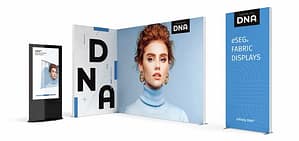
OneFabric pop-up banners are modular fabric walls that deliver a seamless print across a lightweight frame. In addition, they come in straight and curved frame options so you can match the shape of your booth. Consequently, whether you need a compact wall for a 3 m inline space or a wider span for an island stand, these banners adapt to common trade show footprints.
Specifications
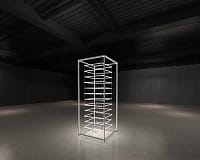
Sizes typically range from a narrow 1.5 m span up to wider 6 m configurations, and frames are available in single and double width variants. Moreover, frame materials are aluminum-based to keep weight down while maintaining structural strength. Furthermore, fabric graphics are printed using dye-sublimation for consistent color, and most setups include a zippered carry case sized to the assembled frame for transport.
Design Features
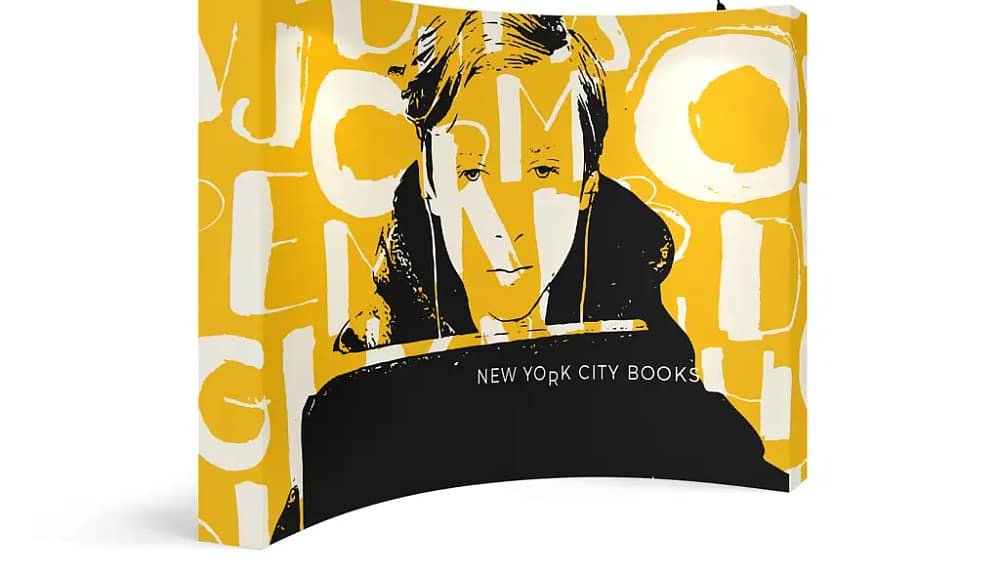
The OneFabric system emphasizes a tensioned fabric skin that produces a wrinkle-free appearance, so your artwork reads clearly under show lighting. Also, options such as end caps and wrap-around panels provide a finished edge for island positions. In addition, straight frames lend a formal backdrop, while curved frames improve sightlines and create a more inviting booth profile.
Material Quality
Premium stretch fabric resists creasing and recovers quickly after packing, and print quality holds up under bright LEDs and camera flashes. As a result, booth photos remain sharable for marketing after the event. Additionally, frame joints and connector fittings are designed for repeated assembly cycles without excess wear, which extends the lifespan of the hardware across multiple campaigns.
Portability and Setup Process
Portability matters for teams that travel frequently. Consequently, the OneFabric pop-up system collapses into a compact case and fits easily in standard vehicle cargo areas. In practice, a two-person team can set a medium wall in under 10 minutes, and larger spans assemble quickly with the same tool-free steps.
- Unpack the frame and lay out the fabric graphic.
- Expand the pop-up frame until it locks into place.
- Slip the printed fabric over the frame and align the seams.
- Attach optional end caps or joiner pieces for multi-panel setups.
- Perform a quick tension check and adjust alignment as needed.
Accessories and Add-Ons
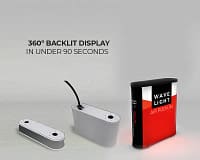
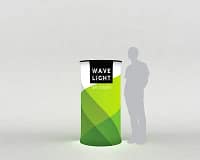
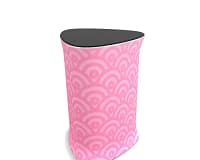
Add LED light bars for even illumination, monitor mounts for digital demos, or shelves to display product samples. Many teams also pair the pop-up wall with a matching counter case and tension fabric banners to create a cohesive visual toolkit. For details on available sizes, matching accessories, and configuration options, explore sizes, graphic options, and accessories for your next activation here: OneFabric Pop-Up Banners.
Use Cases
Trade shows benefit from the OneFabric system because it balances image quality and fast deployment, so staff can focus on conversations rather than rigging. Meanwhile, retail activations use smaller pop-up walls to define a branded area without construction. In addition, conference sponsors and experiential teams appreciate the modular nature, because graphics are swappable between campaigns and hardware stays in service year-round.
Conclusion
In summary, choose a OneFabric pop-up banner setup by prioritizing size, shape, and accessory needs. Moreover, select materials and graphic options that maintain a polished look under event lighting, and plan for portability to reduce transit stress. Finally, when you match the right configuration to your booth goals, setup becomes faster and your presentation converts more attention into pipeline.