Fabric Banners vs Vinyl: Why Fabric Wins in Branding Impact
Introduction
When you plan a campaign or prepare for an event, the right display material matters. Fabric banners deliver superior brand presence because they combine premium appearance with practical benefits. In the following sections, you will learn why fabric banners outperform vinyl in most branding situations, and how they can elevate your visual marketing with fewer compromises.
General information and material quality
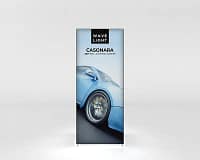
Fabric banners are made from woven polyester or polyester blends that absorb ink, which creates vibrant colors and sharp details. Consequently, graphics look richer and more consistent under different lighting conditions. Moreover, fabric has a soft finish that reduces glare, so your messaging stays readable from multiple angles. In contrast, vinyl often reflects light and can appear less refined, especially in high-end retail or hospitality settings.
Product highlights and advantages
Fabric banners offer several advantages that matter to marketers and event teams. First, they are lightweight, which makes transportation and handling easier. Second, they fold compactly without permanent creasing, and therefore you can reuse them across campaigns. Third, many fabric options are flame-retardant and machine washable, which both extends lifecycle and simplifies maintenance. Finally, the print quality on fabric often looks more natural and premium, so it supports brand integrity and perceived value.
Use cases: Trade shows, retail, and pop-ups
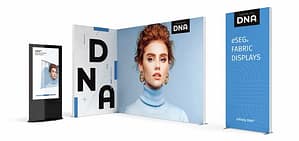
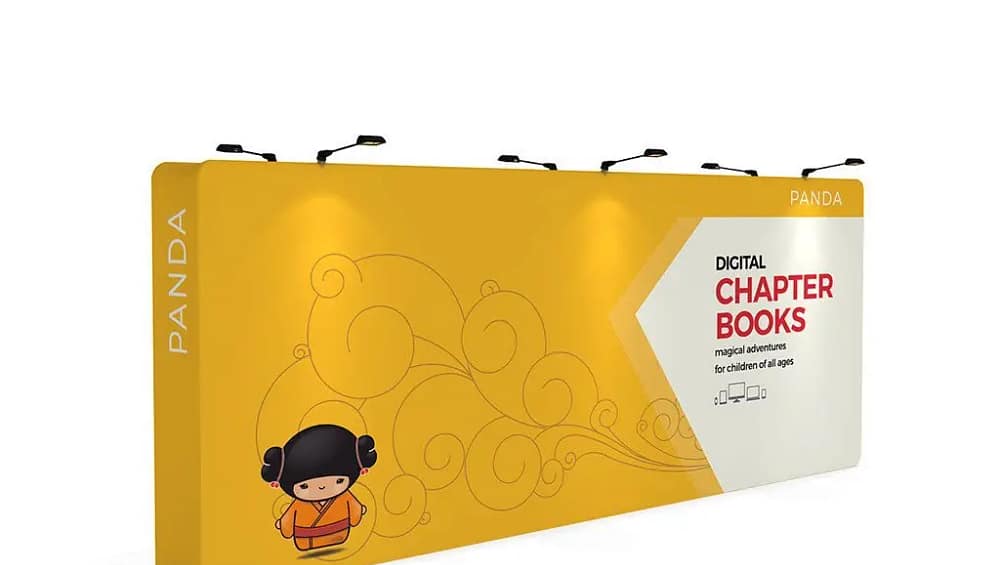
Fabric banners are ideal for trade shows because they set a professional tone while remaining easy to ship and install. For example, tension fabric backwalls create immersive brand environments without heavy frames, and step-and-repeat banners photograph well for media moments. Additionally, retail stores benefit from fabric banners in seasonal displays and window treatments, since fabric reduces glare and looks upscale. Equally important, pop-up shops and food markets rely on fabric banners for quick setup and repeated use, which lowers long-term display costs.
Portability, setup and reusability
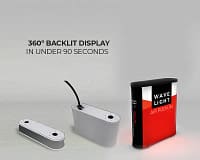
Setup is straightforward, and often a two-person team can assemble a fabric display in minutes. Most fabric banners come with lightweight frames or tension systems, and therefore they pack into small carry cases for easy transport. Because fabric folds without creasing, you can store it compactly and reuse the same graphic across multiple events. As a result, you save on replacement costs and reduce waste while maintaining consistent branding.
Creative combinations for campaigns
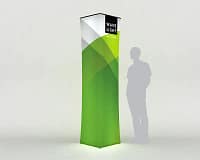
Fabric banners work well alongside other display elements to create layered experiences. For example, combine a fabric backwall with printed fabric hanging banners to guide foot traffic and highlight product zones. Moreover, use fabric table throws and pop-up flags to reinforce messaging across every touchpoint. When you mix textures and scales, fabric helps unify the visual language and makes campaigns feel cohesive and intentional.
Conclusion
Overall, fabric banners win on branding impact because they deliver superior print quality, reduced glare, easier transport, and long-term cost savings. They also integrate seamlessly into diverse environments from trade shows to retail displays, which makes them a versatile choice for marketers focused on consistency and presentation. To explore options and find the right fabric banner for your needs, visit our Fabric Banners Collection.