Exploring the Configurations of Fabric Banners for Exhibitors
Introduction
Fabric banners offer exhibitors a flexible and high-impact way to present their brand. They combine lightweight construction with vibrant print quality, and as a result they are easy to transport and simple to install. In this article, you will discover practical configurations, material choices, and event-ready setups that help exhibitors maximize presence at shows and activations.
General Information
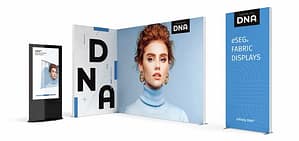
Fabric banners are available in multiple sizes, shapes, and mounting options, and therefore they can fit booth backdrops, hanging signage, or freestanding displays. Moreover, they are compatible with modular frames, tension systems, and pop-up stands, which means you can reuse the same graphic across different layouts. For a clear starting point, browse the full selection in our Fabric Banners Collection.
Material and Design Features
Quality starts with materials, and consequently choosing knitted polyester or stretch fabric affects durability and print sharpness. In addition, dye-sublimation printing yields rich colors that resist fading under indoor lighting. Seam finishing, hemmed edges, and pole pockets improve longevity while also simplifying installation. Finally, you can opt for matte or low-reflective finishes to reduce glare and enhance readability under show lights.
Specifications and Components
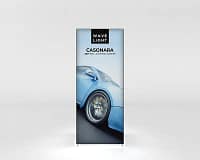
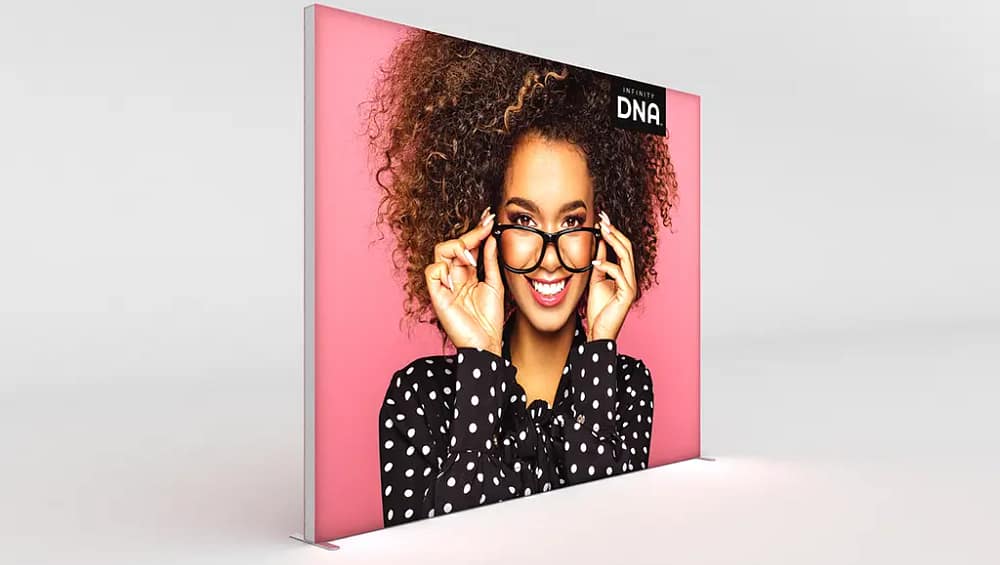
Typical configurations include tension fabric frames, collapsible pop-up banners, and wall-mounted graphics. These systems usually feature lightweight aluminum frames, silicone edge graphics for a seamless fit, and zippered travel cases for safe transport. Furthermore, modular frame kits let you stitch multiple panels together, which creates large backdrops without compromising portability.
Use Cases: Indoor and Retail Events
For indoor events and retail activations, fabric banners perform exceptionally well because they are easy to fold and store between uses. Consequently, exhibitors can create immersive backdrops for product demos, branded entrances for pop-up shops, or aisle signage to guide attendees. In addition, fabric banners are ideal for photo walls, thanks to their smooth surface and vibrant prints that photograph cleanly.
Use Cases: Trade Shows and Outdoor Setups
At trade shows, fabric banners deliver a professional appearance while keeping transportation costs low. Moreover, paired with weighted bases or frame supports, certain fabric systems can handle mild outdoor environments. Therefore, exhibitors who attend both indoor and outdoor events can choose hybrid configurations that balance visual impact with practical stability.
Creative Uses and Multi-Product Configurations
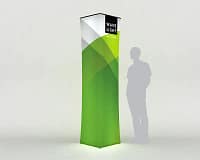
Combining multiple fabric banners creates layered visuals and zone separation within a single booth. For example, use a tall tension backdrop behind the demo area and smaller tabletop banners at product stations. Additionally, stretch fabric columns and hanging sails add vertical interest and increase visibility across crowded floors. As a result, these multi-product setups enhance wayfinding and reinforce messaging from every angle.
Portability and Setup Process
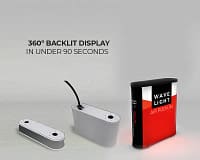
Setups are straightforward, and typically one or two team members can assemble a tension frame in minutes without special tools. Furthermore, modular kits reduce packing volume and protect graphics during shipping. Consequently, exhibitors spend less time on logistics and more time engaging visitors.
Conclusion
Fabric banners provide exhibitors with a versatile, cost-effective toolkit for branding and wayfinding. They combine durable materials, vivid printing, and modular components, and therefore they meet the needs of repeat events and changing booth designs. Ultimately, thoughtful selection and creative configurations turn fabric banners into reliable assets that boost visibility and streamline event operations.