Comparing Fabric Banners with Other Display Solutions: Key Benefits
Introduction
Fabric banners offer a flexible and high-impact way to present your brand across events and retail spaces. For marketers and exhibitors who value visual quality and ease of use, these banners deliver standout results. In the following sections, you will find a focused overview of the fabric banner category, practical use cases, and the advantages that make fabric a compelling choice compared with other display solutions.
General Information
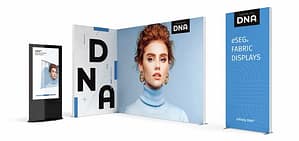
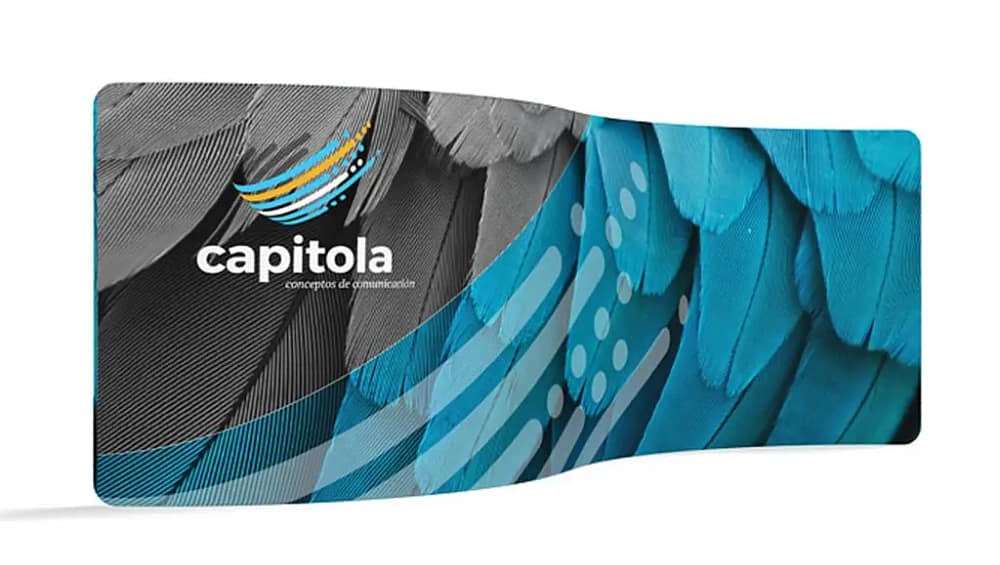
Fabric banners are printed textile displays that combine vibrant dye-sublimation or direct print techniques with tensioned frames or pole systems. As a result, they provide continuous, crease-resistant graphics and a soft-touch finish. In addition, they work well with modular exhibition kits and retail fixtures because they are lightweight and compact when packed. For those ready to explore options, check our comprehensive collection here: Fabric Banners Collection.
Product Category Advantages
Fabric banners outperform many traditional materials in several ways. Firstly, they reduce glare under stage or showroom lighting, so branding reads better from a distance. Secondly, they are reusable and machine washable, which lowers long-term costs. Moreover, fabric offers superior print depth and color saturation, and therefore your graphics look richer and more consistent compared with vinyl alternatives. Finally, fabric solutions often weigh less than rigid boards, which simplifies shipping and handling.
Use Cases and Applications
Fabric banners adapt to diverse settings, and this makes them one of the most versatile display categories available. For trade shows, they work as seamless backdrops and pop-up walls that create immersive brand environments. For retail, they function as hanging signage and promotional backdrops that draw attention without obstructing light. For corporate events, they provide elegant stage backdrops that photograph well. In addition, outdoor fabric banners with weather-appropriate finishes serve short-term activations and event entrances.
Design Features and Material Quality
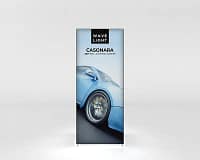
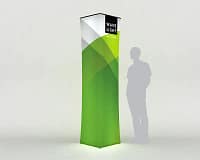
Fabric banners are available in various textile weights and weave patterns, which affects light transmission and drape. Consequently, you can select open-weave fabrics for backlit applications or heavier knits for block-out use. Furthermore, reinforced hems and sewn corners increase durability, and color-fast inks maintain vibrancy through repeated use. Therefore, when evaluating materials, consider print method, fabric weight, and finishing options to match your visual goals and longevity needs.
Portability, Setup Process, and Storage
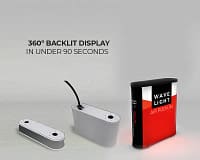
Setting up fabric banners is fast and straightforward. For example, pop-up frame systems typically click together and accept a single tensioned fabric skin, so one person can complete setup in minutes. Likewise, stretch frames use silicone-edge graphics that slot into channels for a wrinkle-free finish. After events, fabric skins fold or roll into padded carry bags for compact storage. As a result, you spend less time transporting and more time engaging your audience.
Conclusion
Overall, fabric banners offer a blend of visual impact, portability, and durability that makes them ideal for modern marketing and exhibition needs. Therefore, if you want vivid graphics, easier logistics, and reusable displays that elevate your brand presence, fabric banners deserve strong consideration. In addition, their compatibility with a wide range of frames and accessories means you can mix and match solutions for multiple event formats and budgets.