Portable Booth Solutions Using WaveLight® Casonara Lightbox Variations
Updated: 2025-09-03
Introduction
When you need premium visuals on a tight schedule, the WaveLight® Casonara Lightbox delivers. This portable lightbox family offers consistent illumination, quick setup, and a modular approach that reduces labour and logistics costs. Moreover, teams can maintain brand standards while scaling displays across multiple venues, and this guide explains how to plan, pack, and deploy these lightboxes for repeatable results.
General Information
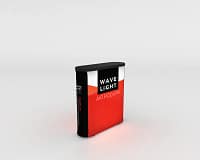
The WaveLight® Casonara Lightbox is engineered for even backlighting and a fast, repeatable workflow. It is available in multiple sizes and configurations, which makes it easy to mix and match frames, fabric graphics, and accessories. Therefore, you can create a cohesive booth aesthetic while adapting each build to different footprint and sightline requirements.
Specifications
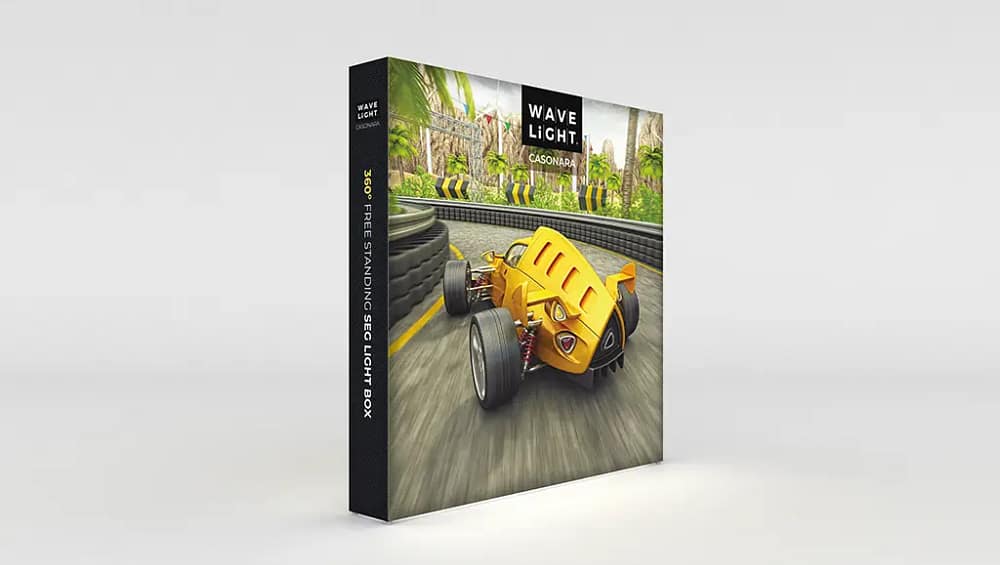
Each variation uses lightweight aluminum frames, integrated LED strips, and silicone edge graphics (SEG) for a clean, frameless look. Typically, the systems support single- and double-sided graphics, offer variable brightness control, and include standardized connectors for quick swaps. As a result, you gain a reliable visual output that is also serviceable by event crews with basic technical skills.
Product Highlights
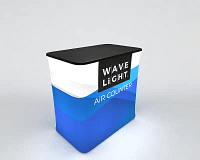
Key advantages include uniform illumination, case-friendly modules, and compatibility with common booth elements such as demo pods and AV mounts. Furthermore, the design supports seasonal graphic changes without altering hardware, so you can localize copy city to city while keeping costs controlled. Learn more about the WaveLight® Casonara Lightbox here.
Components
The standard kit contains frame sections, LED rails, power and linking cables, SEG aluminum channels, and a collection case. Additionally, spare brackets and a small toolkit are recommended for tours. Consequently, teams can service units on site and minimize downtime during multi-stop activations.
Design Features
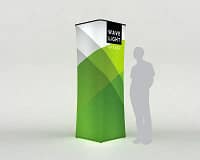
Design choices focus on modularity and visual impact. First, the SEG fabric installs quickly and provides edge-to-edge graphics. Second, the LED distribution is tuned to eliminate hotspots which keeps brand imagery crisp. Finally, variable height options allow you to create rhythm and wayfinding within the booth while maintaining open sightlines for attendees.
Material Quality
Frames are anodised aluminum for strength and light weight, while graphics are dye-sublimated polyester with stretch for a seamless fit. Moreover, LED components use efficient drivers for consistent colour temperature across units. Thus, the overall build quality supports repeated assembly, shipping, and storage with minimal wear.
Portability and Logistics
Cases and case-friendly modules reduce the need for specialised gear at venues, and standard parts simplify spares and repairs even with mixed crews. In addition, creating a repeatable pack list removes guesswork and speeds unpacking, while laminated checklists ensure every team member follows the same sequence.
Setup Process
Setup is straightforward and documented. First, unpack cases and lay parts out in order. Next, assemble frame sections and secure LED rails, then seat the SEG graphic and route cables using the included clips. Consequently, a trained two-person crew can complete most lightbox builds quickly, which lowers labour and overtime costs across a tour.
Use Cases
These lightboxes work well for exhibition stands, retail activations, pop-ups, product launches, and experiential booths. For example, pair a large backlit panel with demo pods to highlight hero products, or use several narrow vertical units to create a branded entrance. Because of the modularity, you can swap sizes and orientations to suit venue constraints while keeping a consistent brand presence.
Conclusion
With smart planning and standardised routines, the WaveLight® Casonara Lightbox family delivers premium visuals, reliable operation, and simplified logistics. Therefore, teams balancing tight schedules and limited staffing can maintain presentation quality across exhibitions and activations. Finally, adopting case-friendly modules, a consistent build checklist, and routine care will extend lifespan and keep ownership costs under control.