Step-by-Step Guide to Assembling Lightbox Fabric Banners
Introduction: Lightbox fabric banners transform any event space by combining illumination, bold graphics, and easy transport. Whether you are an exhibitor, retail manager, or event coordinator, this category offers versatile display solutions that boost visibility and streamline setup. Below you will find practical information about the category, specifications, assembly guidance, and creative ways to use multiple products together.
General Information about Lightbox Fabric Banners
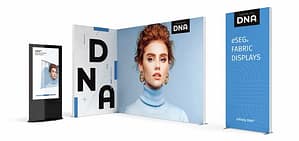
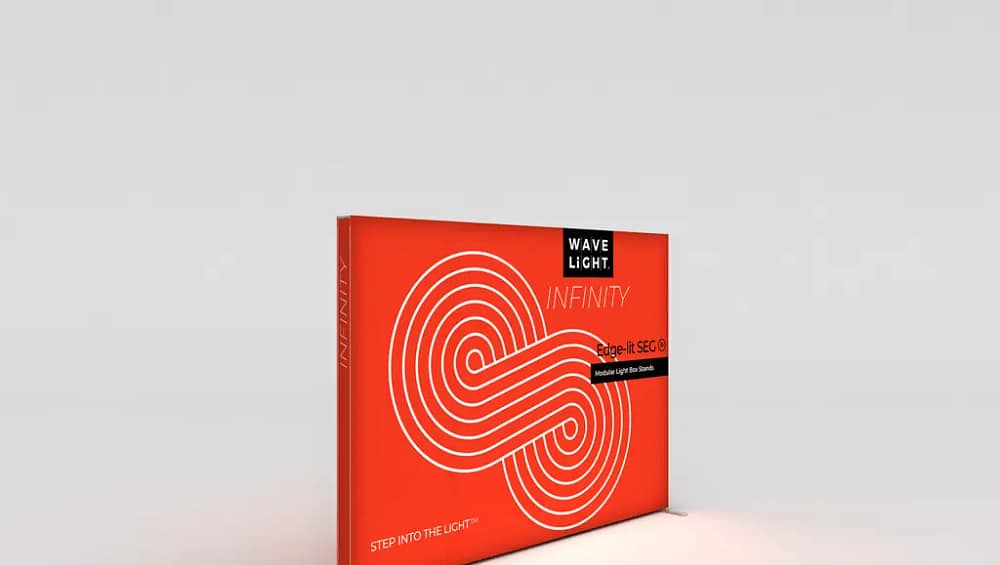
Lightbox fabric banners use SEG (silicone edge graphics) fabric stretched over lightweight aluminium frames with integrated LED backlighting. Consequently, they deliver uniform illumination and vibrant color reproduction. For a clear starting point, explore the full range of Lightbox Fabric Banners to find sizes and configurations that match your presentation needs.
Specifications and Material Quality
Most lightbox banners feature anodised aluminium frames, energy-efficient LED strips, and dye-sublimated polyester fabric. As a result, the prints resist fading, and the frames remain rust-free. Typical specifications include multiple width options, slim profile depths, and replaceable LED modules. Therefore, you can select solutions that balance brightness, portability, and long-term durability.
Design Features That Improve Impact
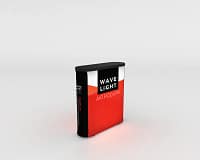
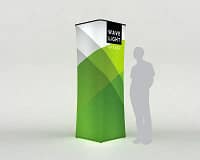
Design features include edge-to-edge graphics made possible by SEG fabric, snap-fit frame corners for quick assembly, and optional diffusion layers to eliminate hotspots. Furthermore, many systems support single- or double-sided graphics, allowing you to use lightboxes as backdrops, island displays, or room dividers. Consequently, these features increase visual impact and adapt to diverse booth layouts.
Portability and the Setup Process
Portability is a key advantage. Frames typically break down into compact sections and fit into padded travel cases, so you can transport them without special freight. For setup, begin by laying out frame sections, connect the corner and side profiles, snap in LED strips or connect pre-wired modules, and then stretch the SEG fabric over the frame edges. Finally, plug in the LED power supply and test illumination. With practice, a single person can assemble many standard sizes within 10 to 20 minutes.
Use Cases and Event Applications
Lightbox fabric banners work across trade shows, retail windows, corporate receptions, product launches, and photography backdrops. For example, use a backlit wall as a branded backdrop for interviews, create a feature island to draw foot traffic, or install slim lightboxes along aisles to highlight sponsors. Because they are modular, you can scale displays from small pop-ups to large exhibition walls.
Creative Uses of Multiple Products in the Category
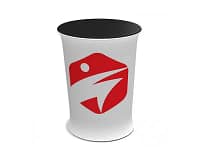
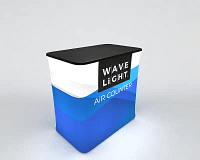
Combine several lightbox banners to form continuous illuminated walls, or pair a lightbox with a promotional counter and hanging banners to create a cohesive brand environment. Moreover, mixing double-sided lightboxes with freestanding counters and literature racks provides practical touchpoints for engagement. By integrating different products, you create zones for demonstrations, meetings, and product sampling.
Product Category Advantages for Exhibitors
In short, this category delivers high visual impact, fast setup, and repeatable quality. Consequently, exhibitors save time during installation and maintain consistent branding across events. In addition, energy-efficient LEDs reduce running costs, while replaceable graphics make refreshes simple and cost-effective.
Conclusion
Conclusion: Lightbox fabric banners offer a compelling mix of brightness, portability, and professional presentation. Therefore, they are ideal for organisations seeking reliable, reusable display solutions that elevate brand presence. By choosing the right sizes and combining multiple products, you can create memorable exhibits that attract attention and support clear messaging.